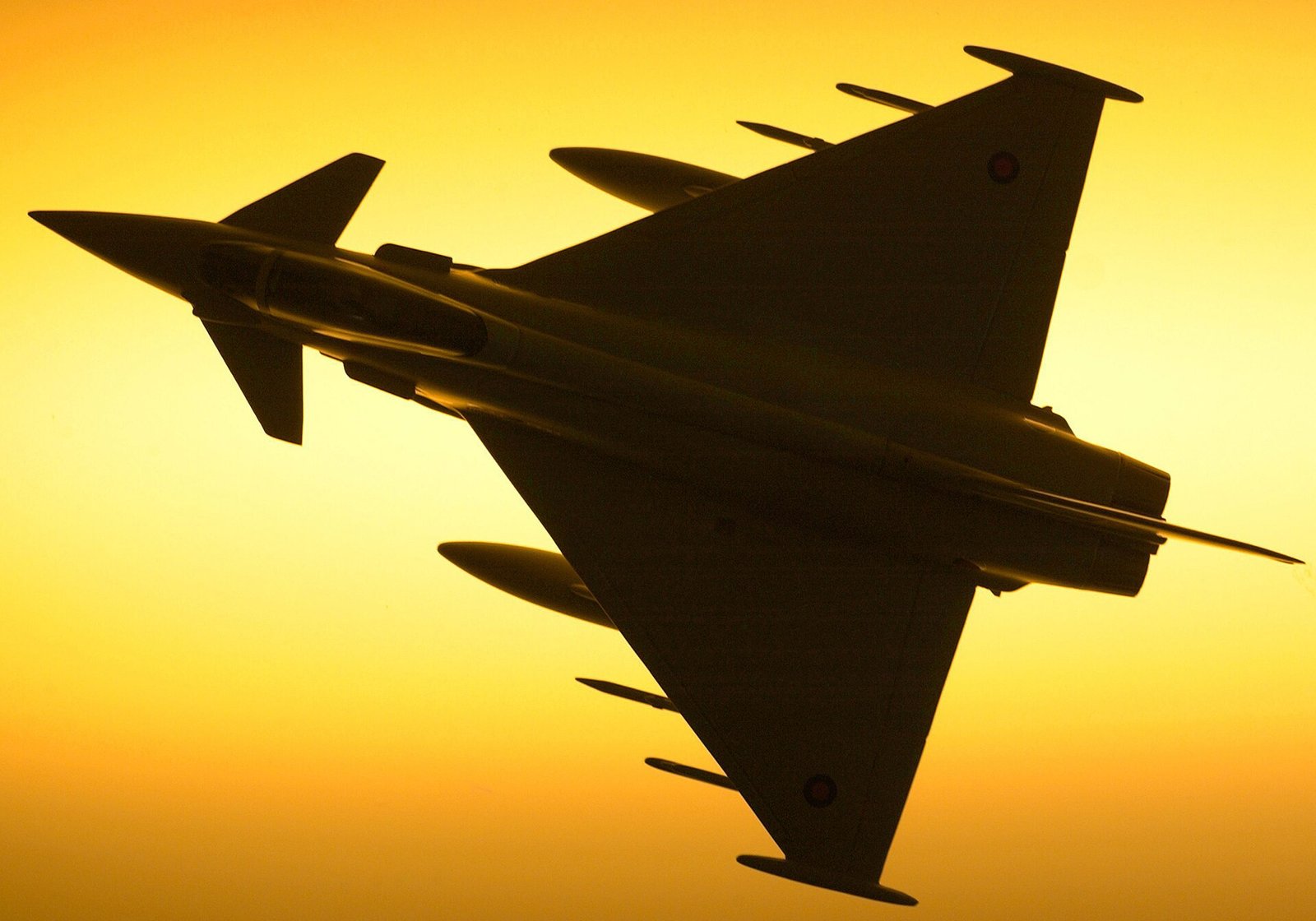
For many visitors and residents, the sudden roar of a fighter jet over a quiet beach or a mountain trail can be unsettling. The good news is that the recent activity over Tenerife, particularly around Puerto de la Cruz, is not a response to any security crisis. According to official sources, the aircraft you are seeing and hearing are part of a coordinated set of manoeuvres and patrols run by the Canary Islands Command and the Spanish Air & Space Force. These include everything from wildfire-prevention flights to routine presence displays by the very pilots who defend Canarian airspace.
The noise might be intense, but it is a by-product of highly capable aircraft operating at low altitudes, often at slower speeds during displays or surveillance runs. This is not an emergency scramble; it is a well-rehearsed summer routine. The operations are officially programmed, coordinated with civil authorities, and described by the Ministry of Defence as standard peacetime training and presence missions. So, when you look up and see a Eurofighter screaming over the coastline, you are essentially watching a planned exercise unfold.
What Exactly Is Flying Over Tenerife?
The activity involves several distinct units, each with a specific role. The most dramatic presence comes from Ala 46, specifically its 462 Squadron, based at Gando Air Base in Gran Canaria. These are the pilots who operate the Eurofighter and F-18 jets responsible for defending Canary Islands airspace. Recently, they have been conducting training flights and fly-pasts over Tenerife. In early July, this included a planned display of four passes over the Puerto de la Cruz coastline, which generated the loud jet noise many people reported.
Alongside the jets, you will see and hear the large helicopters of BHELMA VI, the Army’s manoeuvre helicopter battalion. These are based right here on Tenerife, at the Los Rodeos barracks next to the north airport. Operating under the Canary Islands Command, their helicopters are currently a key part of the summer wildfire-prevention campaign, flying patrols over the island’s mountains and forests. A new element this year is the integration of Army drones. These uncrewed aircraft are a novel addition to the surveillance framework, boosting the ability to monitor difficult-to-access zones for early signs of fire. On the ground, soldiers from the Regimiento de Infantería Tenerife 49 have been deployed since early July on routine security presence missions, and their movements are coordinated with the air assets you see overhead.
The Summer Wildfire Watch: Operation Centinela
A major reason for the increased helicopter and drone activity is the official activation of Operation ‘Centinela Canario’ / ‘Centinela Tinerfeño’. This is a mixed civil-military device designed to monitor forests and prevent wildfires during the high-risk summer months. The operation is active from 1 July to 30 September, perfectly coinciding with the period when the island’s vegetation is at its driest.
The deployment is substantial. It involves ground patrols from Army units, including the Tenerife 49 regiment, who walk the terrain to maintain a security presence and gain detailed knowledge of the land. Crucially, it also includes helicopter patrols from BHELMA VI flying over forested and rural areas to support fire prevention and early detection. The key novelty for the 2026 campaign, as highlighted by the Ministry of Defence, is the incorporation of Army drones to reinforce aerial surveillance capability. So, if you are hiking in the hills or driving through rural Tenerife and spot a military helicopter or a drone overhead, it is very likely part of this vital fire-watch mission.
Why Is It So Incredibly Loud?
The sheer volume of the noise can be the most startling part. Military aircraft are fundamentally louder than the commercial planes you see approaching the airports. There are a few technical reasons for this. Fighter jets use immensely powerful, high-thrust engines. When they perform a fly-past or a training manoeuvre, they often do so at a low altitude and a relatively slow speed, which requires high engine power and produces an intense, ground-shaking roar.
Similarly, the large helicopters of BHELMA VI, operating at low altitude over varied terrain, create a very distinctive, percussive rotor and engine noise. This sound can travel far and is especially noticeable in otherwise quiet coastal or rural settings. The Army drones, by contrast, are much smaller and quieter. Most of the perceived “roaring” that makes you look up comes from the fighters and the large helicopters, not from the drones. The noise is simply a by-product of the type of aircraft and the nature of their manoeuvres, not an indication of any danger.
No Emergency, Just Routine Summer Operations
It is worth repeating the core message from all official channels: this is not an emergency. The Ministry of Defence has explicitly stated that the deployment of the Tenerife 49 regiment is for “routine presence missions in the Archipelago,” carried out “in peacetime,” and “bears no relation to an alert or immediate security crisis.” The Centinela operation is framed as a preventive wildfire-surveillance campaign, coordinated with civil authorities and focused on early detection, not on responding to an ongoing major fire.
The BHELMA VI helicopter presence and the Ala 46 jet passes reported by local press are explicitly linked to scheduled manoeuvres and displays. There is no official indication of any active conflict, airspace incident, or immediate security crisis in Tenerife associated with these flights. The activities are programmed, coordinated with civil aviation and local authorities, and announced as such. For residents and visitors hearing aircraft overhead, the key point is that these noises reflect planned, preventive, and training activity, not an unfolding emergency.
Common questions
- I heard a very loud jet over Puerto de la Cruz. What was it?
- It was most likely a Eurofighter from Ala 46 conducting a planned training pass or display flight over the coastline, part of scheduled manoeuvres.
- Are the military helicopters flying because of a fire?
- Not necessarily. BHELMA VI helicopters are on proactive patrol for early fire detection and prevention as part of Operation Centinela Tinerfeño, not just responding to an existing blaze.
- Is there a war or security crisis happening?
- No. All official sources confirm these are routine, peacetime training and surveillance missions. There is no active conflict or immediate security alert.
- Why are there Army drones in the sky?
- This year, Army drones have been added to the wildfire-prevention campaign to improve aerial surveillance of remote and difficult-to-access areas.
- How long will this military activity last?
- The wildfire surveillance operation is active from 1 July to 30 September. Ground presence patrols and associated flights are ongoing throughout July and the following weeks.
Read on
- 500 drones over La Gesta: Avenida Marítima closed from 20:00 on FridayTenerife · 30 September
- Drones over Canary Nature: What the New Guide RecommendsGran Canaria · 3 September
- Gáldar Drone Spectacle 2026: A Sky Full of Light Over the Historic QuarterGran Canaria · 22 July
- Tenerife tram waits of up to 25 minutes amid staff shortageTenerife · 25 October
- La Laguna Zombie Walk 31 October with free make-upTenerife · 25 October
- All events on Tenerife →
Stand: 27 July 2026. This article is based on official statements from the Spanish Ministry of Defence and reports from Diario de Avisos. All military activities are described as routine and peacetime operations.