What changes for visitors and residents in the south?
Nothing changes for now: Canarias7 reported on 2 November 2026 on a planning contract, not a building contract. The report names no tender, price or new water tariff.
No closures have been announced, either on Matas Blancas beach or around Costa Calma. The report does not say how the plant would affect the beach.
Extra water will come only after planning, approval and construction. No dates are known for these steps, and the only deadline in the contract is 31 December 2028.
Anyone living or holidaying in Pájara or on the Jandía peninsula does not need to apply for or report anything. The authorities have issued no advice to residents or tourists.
What exactly did the government commission?
The Consejería de Política Territorial, Cohesión Territorial y Aguas (the Canary government's department for territorial policy and water) has brought in the Instituto Tecnológico de Canarias (ITC). The institute is to complete and expand the basic project for the future seawater desalination plant in southern Fuerteventura.
The contract is worth 325,000 euros and runs until 31 December 2028. The report does not say whether that deadline covers only the ITC's planning or the construction too.
Canarias7 does not name the government member responsible. Our research also found no entry in the BOC (the Official Gazette of the Canaries) and no government statement.
How big is the plant meant to be?
According to Canarias7, the first stage is to produce 15,000 cubic metres of water a day. Expansions in phases up to 40,000 cubic metres a day are planned by 2035.
For comparison, RTVC reported on 5 September 2025 a record island output of 50,000 cubic metres a day, 66% more than in 2023. The figures come from different sources and years but show the scale.
All of the plant's electricity is to come from renewable energy, mainly wind and sun. Whether the 40,000 cubic metre target for 2035 has been officially approved remains unconfirmed.
The water is to be pumped about 8.7 kilometres and 280 metres uphill to the Guerime depot in Pájara. The contract also covers the seawater intake, reverse-osmosis desalination, the discharge of the brine and the electrical systems.
What will visitors see?
According to Canarias7, the plant is meant to blend into the landscape and stand out as little as possible. The contract expressly requires criteria for fitting it into the scenery.
It also provides for an information area for students, tourists and anyone interested. Opening hours, registration and admission are not given.
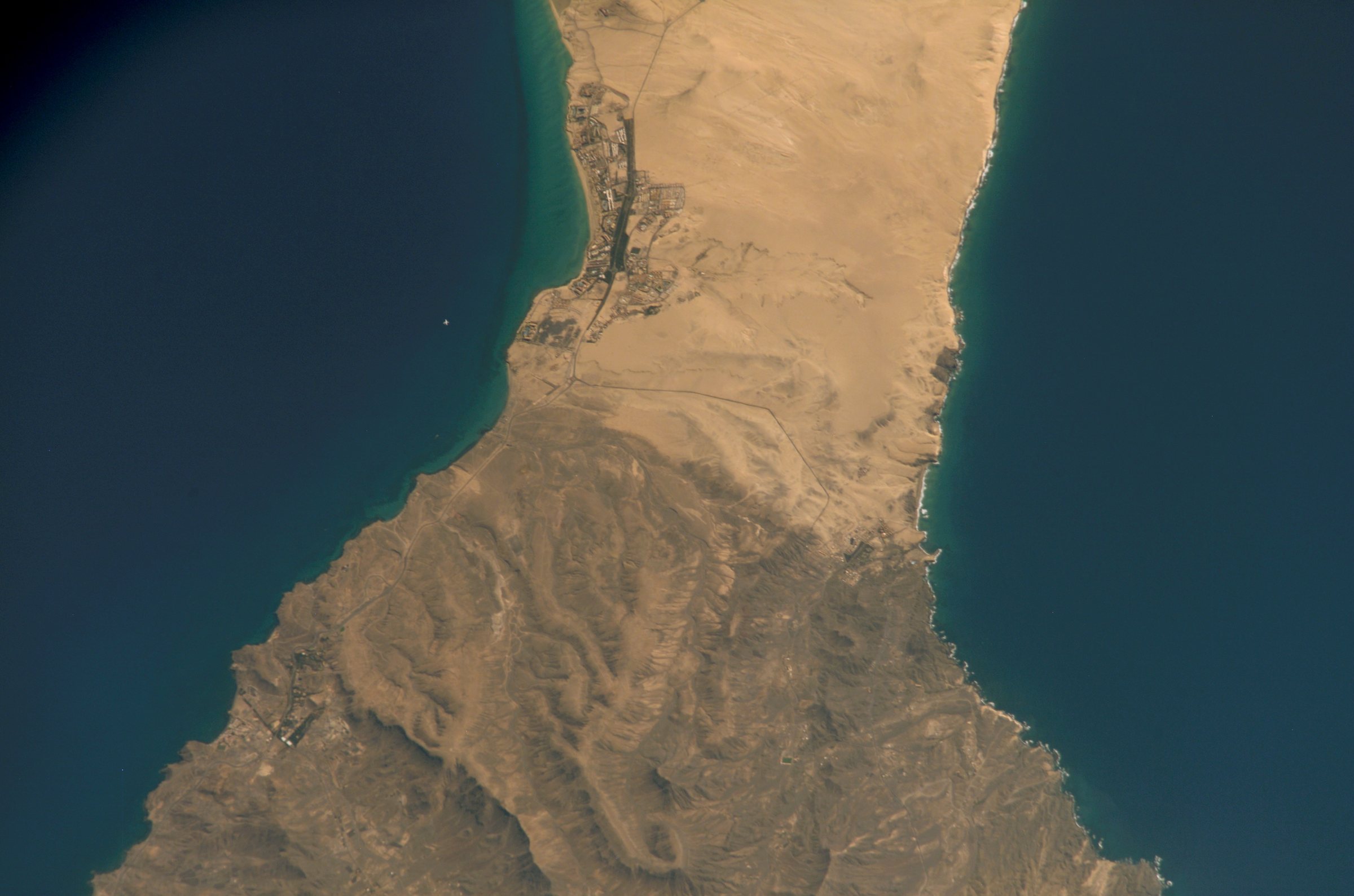
Matas Blancas is a beach about 1,500 metres long near Costa Calma, known for windsurfing, according to spain.info and visitfuerteventura.com. The sources do not say whether the plant will stand on the beach or further inland.
Why does the south need its own plant?
On 4 August 2023, the Canary government and the Cabildo (the island government) promised a desalination plant in the south at a meeting in Puerto del Rosario. According to RTVC, Cabildo president Lola García put the investment at about 30 million euros.
RTVC reports that about 85% of the island then depended on the plant in Puerto del Rosario. Production was to be spread more widely, and Manuel Miranda, then the regional minister for territorial policy, wanted a sustainable plant running on renewable energy.
RTVC reported on 5 September 2025 that the water emergency declared in 2020 had officially ended on 2 September 2025. Canarias7 does not say outright whether the 2023 plant and Matas Blancas are the same project.
What is still open and what happens next?
The total cost is still open: Canarias7 gives only 325,000 euros for the planning, and the 30 million euros from 2023 is an estimate for a southern plant in general. The report does not say who will build, run and pay for it.
The government has published no timetable for environmental permits and the tender. No statements from the Cabildo, the Pájara council or the water supplier CAAF are known.
The only documented date is 31 December 2028 for the ITC. Anyone wanting to know when building starts must wait for further government announcements.