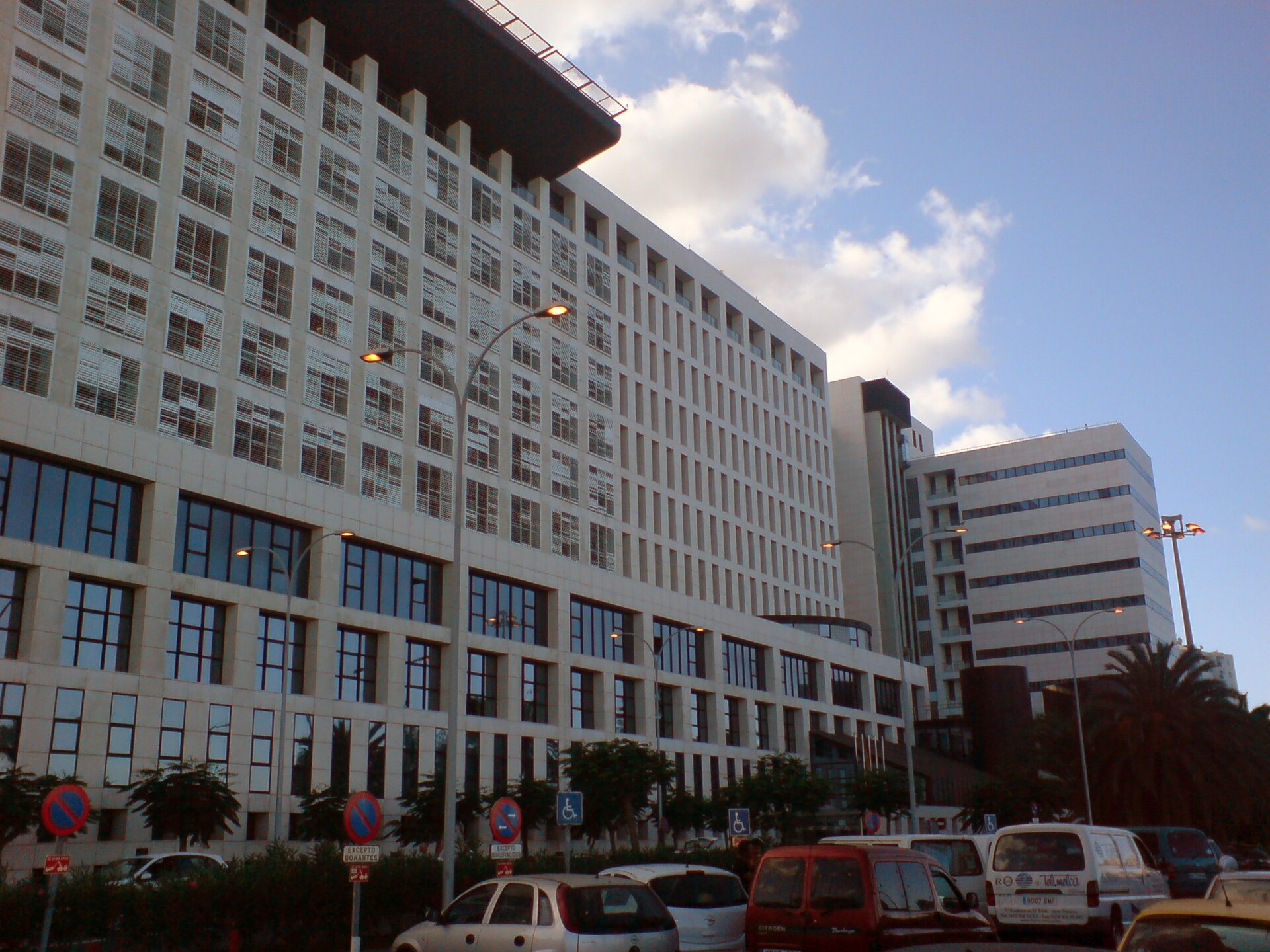
What happened at the Hospital Insular?
The patient had been admitted to the Hospital Insular with pressing chest pain and abnormal ECG findings. During her stay, the medical records documented heart rhythm disturbances, as Canarias7 reports.
A blood test revealed a severely low potassium level. Despite this alarmingly low value, the woman was discharged. Around 30 minutes later, she suffered two cardiac arrests with ventricular tachycardia in the entrance area of her home.
She was resuscitated and taken back to the intensive care unit of the Hospital Insular. After readmission, her potassium remained severely low. An initial cranial CT scan showed signs of oxygen deprivation to the brain.
How does the court justify its ruling?
The court assessed the medical care as “inappropriate and rushed”. In its view, the patient should have remained in hospital and received potassium intravenously, rather than being sent home.
A cardiologist at the Complejo Hospitalario Universitario Insular-Materno Infantil (CHUIMI), who treated the woman after readmission, stated according to Canarias7 that a severely low potassium level is associated with an increased risk of arrhythmia and must be treated urgently by intravenous administration.
The head of the relevant department classified the hypokalaemia as severe. The court also noted that a further hospital stay would not have definitely prevented the cardiac arrest. However, it would have reduced the risk and given the patient “a chance”.
How much is the compensation?
The relatives had claimed a higher sum. The court partially awarded them 300,000 euros, plus statutory interest from the date of the administrative claim until full payment.
The court described the sum as “prudent and reasonable”.
The court imposed no costs because none of the claims was fully upheld. The payment is borne by the Servicio Canario de la Salud, the public health service of the Canary Islands, from public funds.
How did the health service argue?
The SCS had contested the claim. It sought dismissal on the grounds that the claim was time-barred and that there was no causal link between the doctors' actions and the alleged damage.
A report by the SCS inspection service defended the discharge as correct. The treating cardiologist stated that the patient had been stable, that she had prescribed potassium orally and that a severely low level did not require hospital admission but outpatient treatment.
The court did not follow this account. The evidence gathered during the hearing pointed in a different direction, as Canarias7 reports.
What does the ruling mean for residents and visitors?
According to the information available, the ruling does not change any general rules, prices, deadlines or access conditions for residents, foreigners or visitors to the Canary Islands. It concerns a specific liability case involving the SCS.
No new regional health regulation or mandatory procedure was mentioned. Anyone using SCS medical services on Gran Canaria continues to have the same rights and obligations as before.
For patients with abnormal laboratory values, however, the ruling may serve as a point of reference. It shows that courts can classify a discharge despite a severely low potassium level as negligent.
What happens next?
The ruling can be appealed to the Tribunal Superior de Justicia de Canarias (TSJC), the High Court of the Canary Islands. Whether the SCS will take this step is not known, according to Canarias7.
It also remains open when payment will be made and how much the statutory interest will ultimately amount to.
The court recognised that the husband and children were entitled as directly affected parties to claim the moral damage suffered.