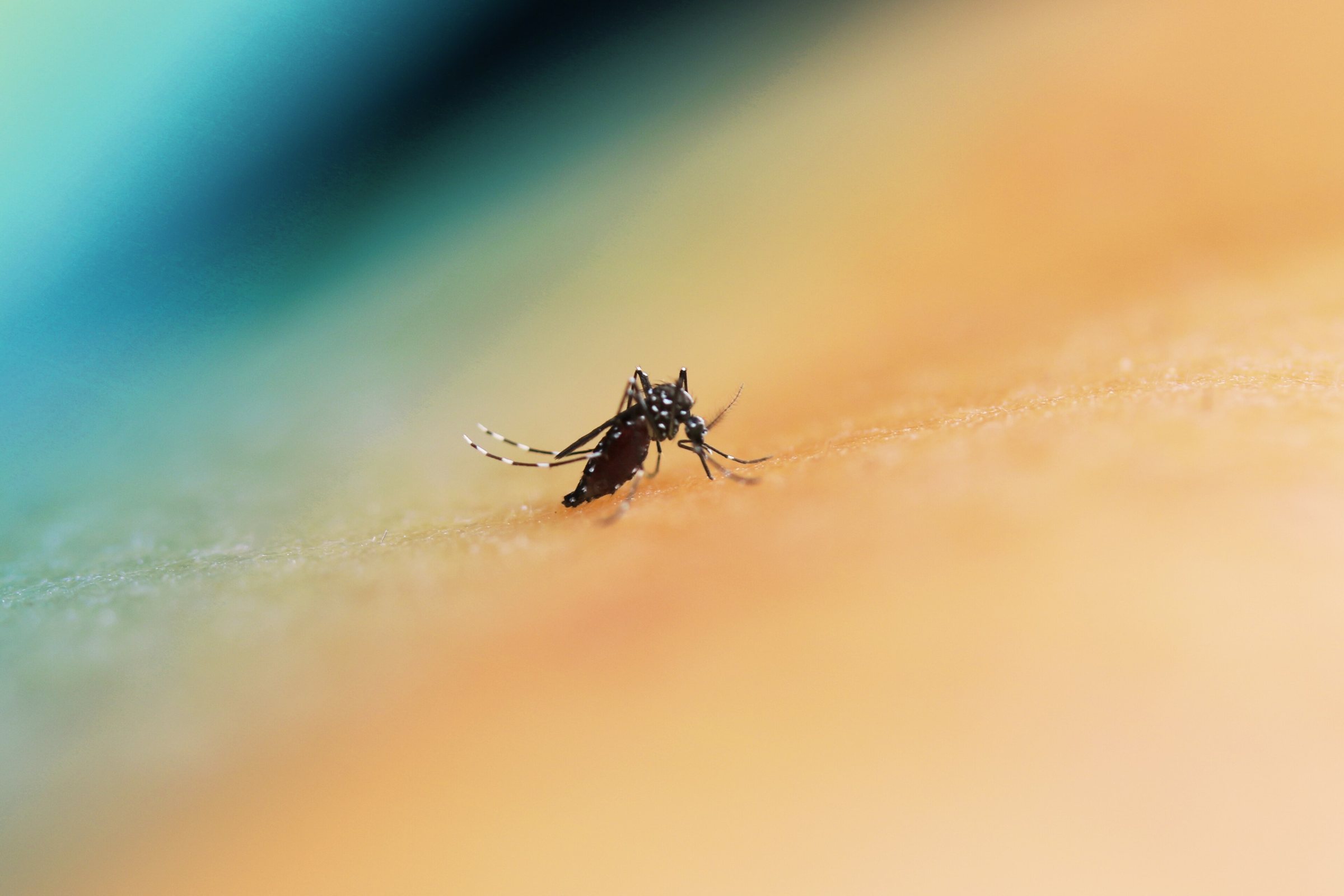
Where does the mosquito bite, and how badly?
The bites cause strong skin redness, growing pain and considerable swelling. In some cases fever follows.
The marsh mosquito Aedes caspius is behind it, according to the Canary health authorities, not the tiger mosquito suspected at first. It is plaguing Gran Tarajal and Tarajalejo in the municipality of Tuineje.
Residents have suffered for several weeks, and Esther Hernández, spokeswoman for the Partido Popular (PP) in Tuineje, puts it at almost a month. Many people have visited the local health centre, with some needing treatment.
The species first appeared in Tarajalejo and has since settled mainly in the barranco (ravine) and the marshland of Gran Tarajal. No authority has yet published how many mosquitoes there are or how many patients are affected.
Expect bites in the evening near the barranco or on the coast, whether you live in the south between the two towns or are just visiting. The marsh mosquito is no newcomer to Fuerteventura, and the health authorities say it was found near La Lajita many years ago.
How dangerous is the marsh mosquito?
The Consejería de Sanidad (the Canary government’s health department) sees no particular health risk from the species. In its assessment, the mosquito carries no tropical diseases, but its bites can cause very strong reactions.
One virus is the open question: Aedes caspius is considered a possible carrier of the Tahyna virus, which has been found in several regions of Europe. It usually causes a mild, flu-like illness with fever, headache and muscle pain, and in rare cases meningitis.
A scientific study from 2025 detected the virus in Aedes caspius in Italy, but on Fuerteventura it is not proven. Being able to carry a virus does not mean the local mosquitoes are infected.
What can visitors and residents do?
Iván Rodríguez, a pharmacist in Gran Tarajal, expressly warns against scratching the bites. Small wounds let bacteria in and can cause an extra infection.
If you have heavy swelling, growing pain or fever, go to the health centre in Gran Tarajal, where many people have already turned. No official advice on dealing with this species exists, according to the information available.
The health authority’s tips on standing water apply to the tiger mosquito. The marsh mosquito, says Mayor David Herrera, breeds in seawater that has collected in dense reeds.
To report a strong bite reaction, you can send photos to vectores.scs@gobiernodecanarias.org, with the exact place and a phone number. The address comes from a 2025 notice, and no appeal about the current plague is known.
Who is fighting the plague in Tuineje?
Insecticide has not yet had the hoped-for effect. Tuineje town council has sprayed it several times in the marshland of Gran Tarajal and along the coast of Tarajalejo.
Mayor David Herrera said the council has started cleaning the mouth of the barranco, at the request of the pest-control firm it hired. Seawater collected in the dense reeds, which gives the larvae ideal conditions.
According to Sanidad, control lies with the council, as with other pest plagues. Esther Hernández calls for effective measures without delay.
If Tuineje cannot cope alone, the council must seek help, Hernández says. That help should come from the Cabildo de Fuerteventura (the island government) or the health authorities.
What is still unclear?
On 28 July 2026, Sanidad and the council activated a protocol over the mosquito plague in Tarajalejo. A team of biologists took samples and set traps, confirmed Tomás Pérez, health director for Fuerteventura.
Identifying the species should take about a month, the mayor said. No published laboratory result could be found, so the species rests on what the health authorities say.
The 2025 tiger mosquito case is a separate matter. On 1 October 2025, technicians found several adult Aedes albopictus in Las Casitas (Tuineje).
The health authority called the introduction “accidental and isolated”, and monitoring runs for 18 months. No date was given for the next spraying or for cleaning the barranco.
Nobody has forecast when the plague will be under control. The Cabildo has made no statement.