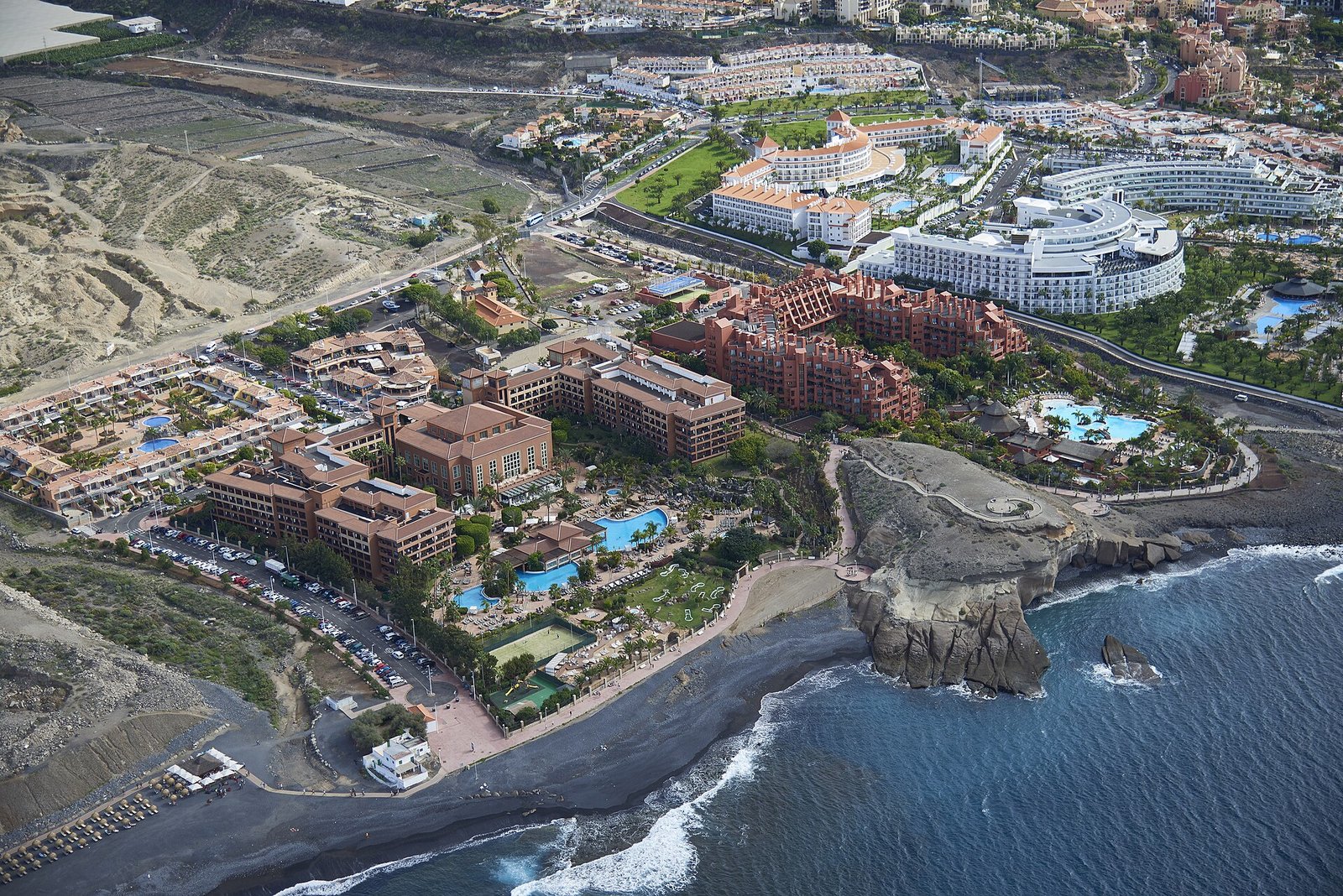
If you have booked a holiday in the Canary Islands lately, you have probably felt it in your wallet. Hotel prices have been climbing steadily for almost three years, and the trend shows no sign of stopping. In May 2026, the average price for a hotel room reached 126.1 euros per night, about 3.9% more than a year earlier. The revenue per occupied room rose by 4.4% in the same period.
This is not a sudden spike. It is a sustained strategy. Since 2019, hotel rates in the Canaries have shot up by more than 50% in many cases, far outpacing inflation. In March 2024, the revenue per available room, a key industry metric, hit an all-time high of 127.31 euros. The sector has now clocked 34 consecutive months of rising prices and profitability. The message is clear: the islands are focusing on earning more per guest, not just on attracting more guests.
Fewer arrivals, higher earnings
The numbers paint a fascinating picture. Between January and May 2026, the Canary Islands welcomed 6.8 million international air passengers, a slight dip of 0.4% compared to the same period in 2025. In May alone, about 1.07 million international tourists arrived, 0.7% fewer than the year before. Yet the money keeps flowing in.
In May 2026, the hotel sector raked in 382 million euros in just 30 days, a jump of 6.8% year-on-year. The average occupancy rate stood at a modest 64.98%, but the higher prices more than compensated. This pattern was already visible in 2025, when the islands received 18.39 million tourists, 3.48% more than in 2024. Their total spending reached 23.185 billion euros, up 3.91%. The increase came entirely from higher prices, as stays got shorter and average spending per person actually fell.
A new wave of luxury hotels
While prices rise, the hotel landscape is transforming. According to the Hotel Property Telescope 2025 report by EY Parthenon, the Canary Islands are set to welcome 44 new tourist accommodations by 2028, adding more than 6,000 rooms. Most of these projects are concentrated in Tenerife and Gran Canaria, and the vast majority will be four- and five-star properties. Of the 44 projects, 27 are new builds, six are repositionings, and 11 are conversions of existing buildings into tourist use.
One of the most ambitious projects is Villa de Erques in Guía de Isora, in the south of Tenerife. This five-star luxury hotel will feature 384 rooms with terraces, 890 beds, 29 suites with private pools, and three exclusive villas, spread over more than 100,000 square metres. Completion is expected by the end of 2026. Meanwhile, the management company Canarian Hospitality is developing three new hotels in the south of Gran Canaria, Lanzarote, and Fuerteventura, with openings staggered between 2024 and 2026. A further luxury resort in Lanzarote is set to begin construction in February 2026, with a 24-month timeline and a planned opening in spring 2028.
Big brands bet on the islands
International chains are also expanding their footprint. Meliá has announced Paradisus Fuerteventura, a beachfront resort with more than 200 suites, initially slated for a late 2025 opening. Right next to it, on Sotavento beach, the Rafa Nadal and Meliá partnership is developing Cel Fuerteventura, a new hotel that was expected to open in May. The Garden Hotel Group has also entered the Canarian market, taking over the former Labranda Bahía de Lobos in Corralejo, Fuerteventura.
These are not isolated cases. Recent years have seen a flurry of openings and renovations: Paradisus Gran Canaria, Atlantic Hills and INNSiDE Tenerife Santa Cruz in 2023, along with Barceló Playa Blanca in Lanzarote and R2 Higos Beach in Fuerteventura. The trend is unmistakable. The islands are betting on high-end tourism, and the investment is pouring in.
What this means for you
For visitors, the Canary Islands remain a dream destination, but the days of bargain beach holidays are fading. The average room rate in February 2026 reached 156.9 euros per occupied room, with a 4.5% year-on-year increase. In high season, occupancy rates soar above 90%, which keeps prices firmly elevated. Summer rates have been known to hit 124.8 euros per room, about 16% more than before the pandemic.
The strategy is working for the industry. Revenue is breaking records even as tourist numbers stabilise. For travellers, the key is to plan carefully, compare options, and perhaps explore the shoulder seasons when prices ease slightly. The islands are not getting cheaper, but they are getting better, with a wave of fresh, world-class places to stay. The Canaries are learning to earn more by offering more, and that is a story that is only just beginning.
Common questions
- Why are hotel prices in the Canary Islands rising so much?
- Prices have been climbing due to strong demand, limited new supply until recently, and a strategic shift towards higher-spending tourism. Rates have risen over 50% since 2019 in many cases.
- Are fewer tourists visiting the Canary Islands now?
- Not dramatically. Arrivals have stabilised or dipped slightly, but the total number remains very high. The focus has shifted from volume to value, earning more from each guest.
- What new hotels are opening soon in the Canary Islands?
- Major projects include Villa de Erques in Tenerife, several Canarian Hospitality hotels in Gran Canaria, Lanzarote, and Fuerteventura, and Meliá's Paradisus and Cel resorts in Fuerteventura.
- Is it still possible to find affordable accommodation in the Canaries?
- Yes, especially if you book early, travel outside peak season, or look beyond the newest five-star resorts. Prices vary widely by island, location, and time of year.
- How many new hotel rooms are being built in the Canary Islands?
- More than 6,000 new rooms are planned across 44 projects by 2028, mostly in the four- and five-star categories on Tenerife and Gran Canaria.
Read on
- Canary Islands on 13 Oct: fiestas, opera and storytellingCanary Islands · 13 October
- Grandchildren’s Law: vote suspended for 163,020, report saysCanary Islands · 13 October
- Canary tourism: new land-use rules and a July hotel recordCanary Islands · 26 August
- Canary tourism: more guests, but shorter staysCanary Islands · 24 June
- Canaries 12 Oct: Pilar fiestas, Fetish Pride, DJ brunchCanary Islands · 12 October
- All events on the Canary Islands →
Stand 13 July 2026. Prices and opening dates are based on official data from INE, ISTAC, Turespaña, and industry reports. Individual hotel details should be confirmed directly with the property.