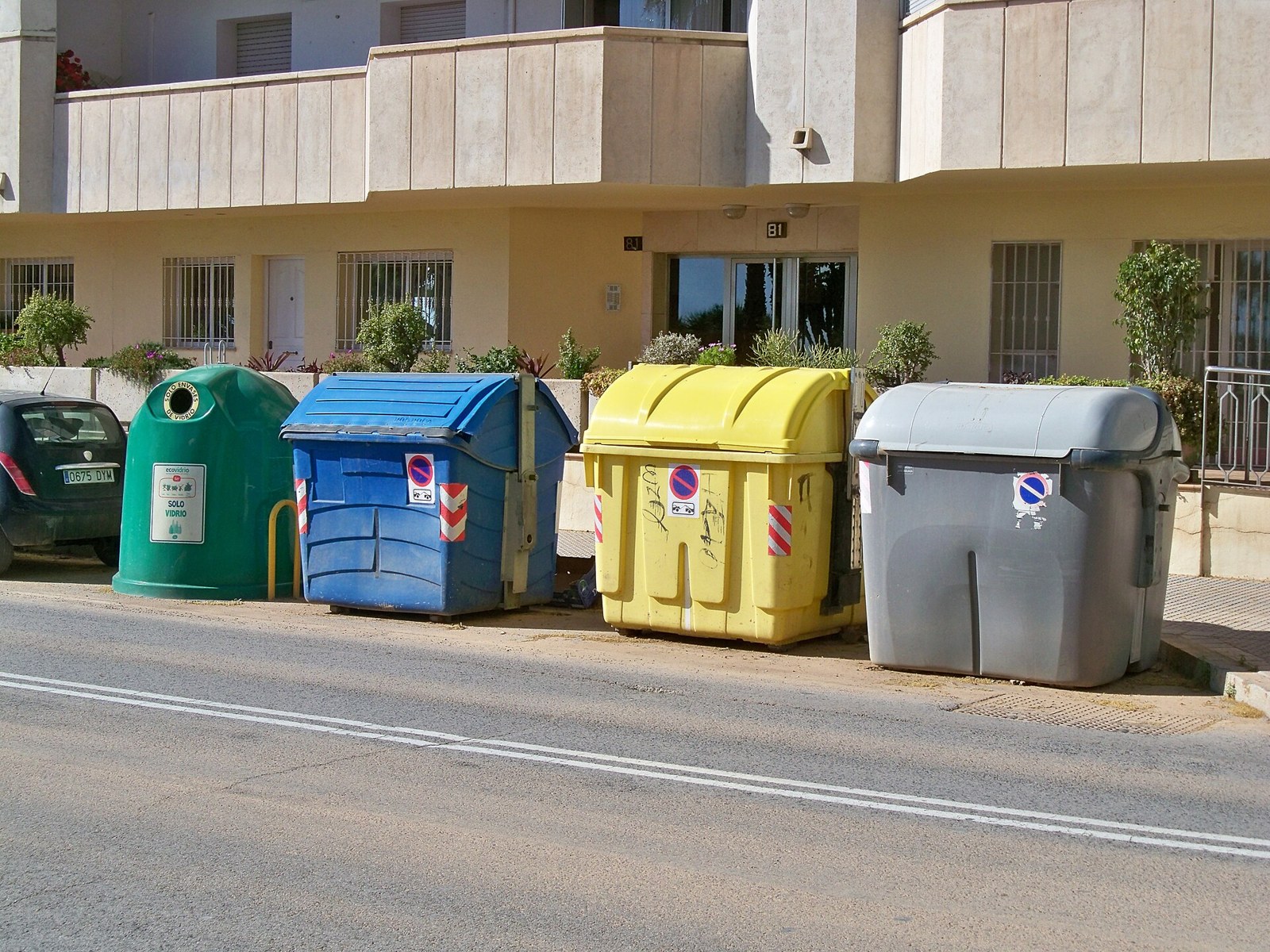
What the council approved
New, according to the council: separate collection of glass, paper, packaging, biowaste, used cooking oil, textiles, furniture and garden waste; tighter duties for shops, hospitality and events; the "polluter pays" principle; fee reductions for home composting. Plus the option of door-to-door collection zone by zone and of electronic container locks tied to individuals or dwellings – the change with the biggest effect on daily life, because every deposit would then be traceable. Timetable, zones and technology are not in the release. Councillor Héctor Alemán spoke of "a very important step" and called cleanliness "a shared task". How the council voted is not stated.
Why the rules do not yet apply
Article 70.2 of Law 7/1985 is explicit: bylaws are published in the provincial gazette and do not enter into force before their text has been published in full and the period provided for in article 65.2 – fifteen working days – has elapsed. Final approval is therefore the second-to-last step; the council says as much in its own notice of 6 May. The BOP appears on Mondays, Wednesdays and Fridays; the next issues fall on 28 and 30 September and 2 October. That the gap can be long is shown by the predecessor: in 2005, more than six months passed between approval and publication.
Three of the four headline bans have been in the text since 2005
Dropping cigarette butts and chewing gum in the street is not newly banned in Las Palmas de Gran Canaria. Article 61 of the 2005 bylaw expressly prohibits discarding "chicles, colillas, papeles", including from a moving car. Article 62 bans shaking out washing and carpets from windows and balconies, article 64.1 watering plants so that it drips onto the street, and article 65 air-conditioning run-off onto roads and green spaces. All four are minor offences under article 155 a), capped at 120 euros. Of the four points in the release, then, only one is genuinely new: the duty to prevent dogs urinating in public.
Who is supposed to enforce it – and what the opposition says
A ban on dropping cigarette butts is easy to pass and hard to enforce. The release says the bylaw sets up "an inspection and sanctioning regime in line with current law", but names no authority and no staff. At the provisional approval on 24 April, Partido Popular councillor Ignacio Guerra announced an abstention, Canarias7 reported: the public consultation had been opened in August, which limited participation. For Vox, Carmen Rosa Expósito said there was "talk of sanctions and civic duties, but little of the council's own responsibility for overflowing containers". Coalición Canaria called for "more control by the Policía Local". Alemán countered that streets are washed down daily and that he had spoken to residents and business associations beforehand.
6.2 million euros for an animal protection centre
The same session authorised higher shares from the Fondo de Desarrollo de Canarias and with them 7,465,608.59 euros across 2026 and 2027. Of that, the council says 6,256,266.03 euros covers construction of the Centro Municipal de Protección Animal, whose design was approved in June 2026: 2,160 square metres with long-stay housing and a veterinary unit on a 37,727-square-metre plot at Llano de Las Mozas, bought for 595,000 euros. Construction time, tender date, opening date and the number of animal places are not published. Canarias7 reported on 16 August that the cost had risen from 5.07 to 6.79 million euros; the release does not explain the difference.