What was actually measured
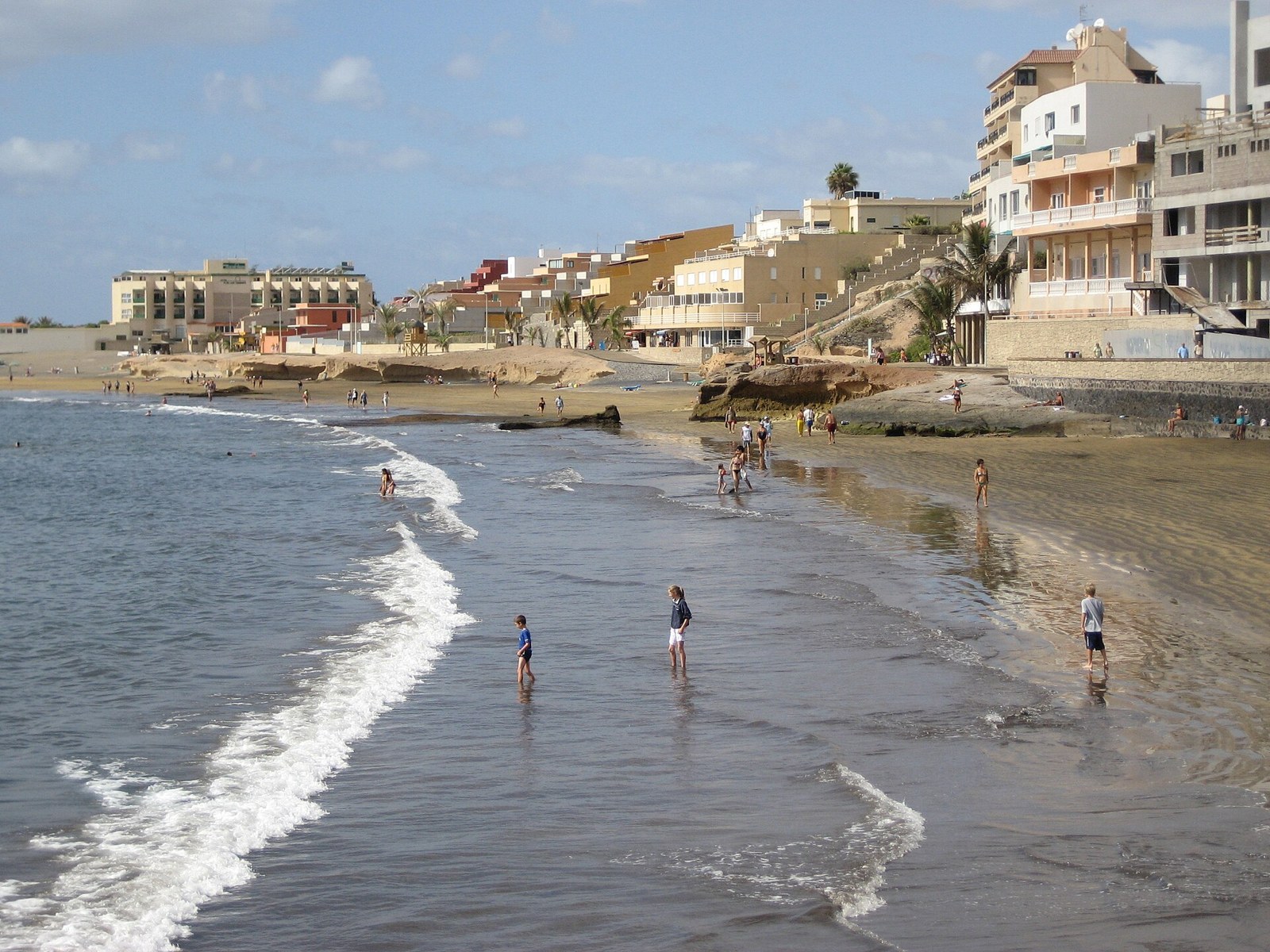
Only one of the three municipalities gives a number. Granadilla de Abona wrote on Wednesday that the analysis for El Médano returned 210 cfu/100 ml of enterococci, "frente al valor límite de 200 ufc/100 ml" — red flag, temporary bathing ban and a counter-sample the same day.
For El Socorro and El Reducto there is no figure. In Los Realejos, according to Diario de Avisos, a routine sample showed E. coli above the reference value; the council made no further comment. In Arrecife the red flag went up and multilingual signs were posted, one day after the concession holder had set out sunbeds and parasols.
What Náyade shows today — and what it does not
Náyade is the national bathing water system of the health ministry, open to the public at nayadeciudadano.sanidad.gob.es. On Thursday morning all three beaches looked the same. El Socorro: sample of 7 September, 9 cfu E. coli and 2 cfu enterococci, "apta". El Médano: also 7 September, 29 and 7 cfu. El Reducto: 8 September, 29 and 2 cfu.
That is not a contradiction but a feature of the system: Náyade documents the samples of the official monitoring programme, not the state of play on the day. A laboratory result that a council acts on at once appears there only later. What binds you is the flag and the notice on the beach.
Where the 200 comes from
The basis is Royal Decree 1341/2007, by which Spain transposed the EU bathing water directive 2006/7/EC. Annex I sets two indicators for coastal waters: E. coli at 250 cfu/100 ml for "excellent" and 500 for "good", intestinal enterococci at 100, 200 and 185 — season percentiles, not daily thresholds.
So 210 against 200 is not a missed seasonal classification but a single value above the reference figure for the "good" class, which councils use as a working limit. Article 9 allows the authority to ban bathing temporarily and requires it to inform the public of the cause and the measure taken.
Why the values jump is explained by the authorities themselves: Arrecife points to discharges on a plot of land and to this month's big tides; at the end of July, according to Crónicas de Lanzarote, the health authority confirmed an overflow from the Consorcio del Agua after a burst pipe. Such events are one-off — hence the counter-samples and the short closures.
El Reducto: the PSOE's arithmetic, checked
The socialist group on the council does the sums: since 14 October 2025, El Reducto has been closed for 179 days against 165 days open. Councillor Cristina Duque said, as reported by La Voz de Lanzarote: "Ayer mismo el alcalde se paseaba por la arena sacándose fotos para presumir de las nuevas hamacas, y hoy la playa amanece precintada por seguir vertiendo contaminación fecal al mar."
Náyade can neither confirm nor refute it. The sampling point has seventeen samples recorded for 2026; two, from 3 February and 27 July, carry the note "prohibido el baño temporalmente", and between 3 February and 7 April no sample was taken at all — which fits the long closures. But the system counts samples, not days; the figures 179 and 165 have not been published by any authority.
No response from mayor Yonathan de León has been published anywhere, and the town hall website was unreachable when we checked. He did answer the same charge in March: El Reducto has not lost its Blue Flag (Biosfera Digital, 18 March 2026).
The larger problem is in the pipes
In Puerto de la Cruz the engineers of the Consejo Insular de Aguas rejected in August every repair option for the outfall off Playa Jardín and recommended a new pipe — we described that report. The Grafcan census of July 2025 counts 403 discharge points into the sea across the Canary Islands, 291 of them without a valid permit; on 18 December 2025 the Court of Justice of the European Union condemned Spain for breaching the urban waste water directive.
What you risk if you go in anyway
E. coli and intestinal enterococci are indicator organisms: what is measured is not the pathogen itself but the sign that faecal matter has reached the water. The health service of La Rioja lists as possible consequences "otitis, conjuntivitis, dermatitis, gastroenteritis"; the commonest route is faecal-oral, "tragando pequeñas cantidades de agua" — swallowing small amounts of water — and cases are usually mild. A value just above the reference figure means raised risk, not poisoning, but anyone with open wounds or small children should take the red flag seriously.