Southern Gran Canaria: growing unease over mass tourism
In the south of Gran Canaria, the debate over mass tourism is intensifying. The regional outlet maspalomas24h describes a "tormenta perfecta" (perfect storm) of growing social rejection of mass tourism in the area around Maspalomas, Playa del Inglés and the municipality of San Bartolomé de Tirajana.
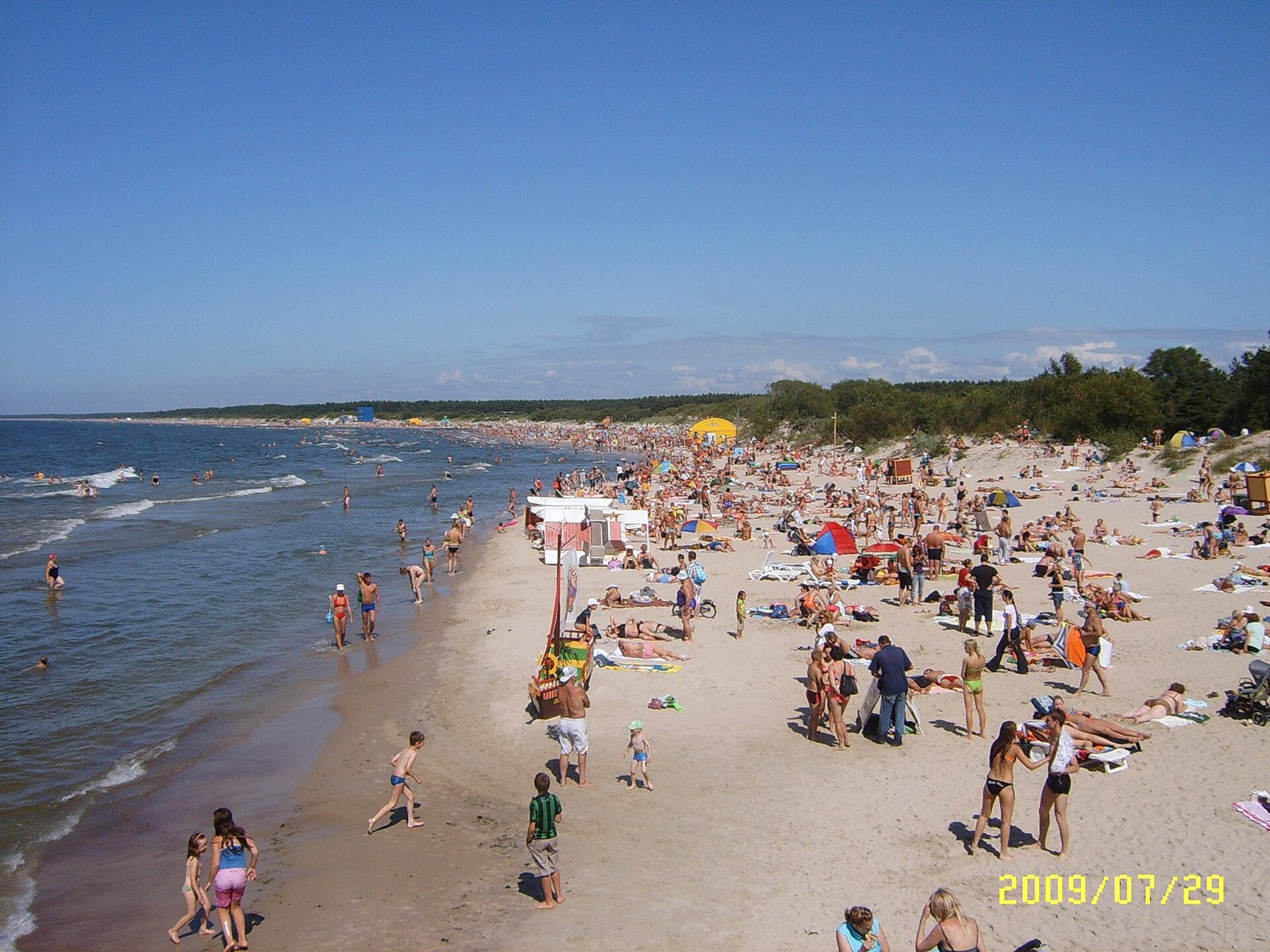
Photo: Raimundas Budzeika, CC BY-SA 3.0 (Symbolbild).
The subject is a sensitive one, because tourism is also the economic backbone of the south. cita.news sets out both the reported grievances and the importance of the sector soberly, without taking sides.
What maspalomas24h describes
According to maspalomas24h, several developments in southern Gran Canaria are coming together in what the outlet calls a "tormenta perfecta": a noticeably growing frustration among parts of the population with the effects of mass tourism, coupled with economic and social tensions in the region.
The area affected is one of the island's most important holiday zones — Maspalomas and Playa del Inglés, within the municipality of San Bartolomé de Tirajana. The outlet does not put precise figures on the size of the movement here, so cita.news reports only what has been stated.
The reported grievances
The criticism of the tourism model sits within the archipelago-wide movement "Canarias tiene un límite" ("The Canary Islands have a limit") of 2024 and 2025. The commonly cited grievances are pressure on housing and rents from the spread of vacation rentals, the saturation of beaches, roads and public services, and concern over water and resources.
There is also the charge that wages in the tourism sector have stayed low despite record visitor numbers. These points should be understood as the concerns of the protest movement, not as settled facts; cita.news reports them with attribution.
The "Canarias tiene un límite" movement
Since April 2024, according to consistent media reports, thousands of people have repeatedly taken to the streets across the Canary Islands to demand a change of course in tourism. The "Canarias tiene un límite" movement calls, among other things, for limits on growth and for measures against speculation in housing.
Southern Gran Canaria is seen as one of the regions where the debate is sharpest, because here tourism, housing and residents' daily lives meet head-on.
The economic backbone of the south
At the same time, tourism is the central source of income and the largest employer in the south. A substantial share of the region's jobs and economic output depends on hotels, holiday accommodation, hospitality and retail.
Neither the population nor the sector is a single block: surveys reported by outlets such as eldiario.es suggest that a majority of Canary Islanders still consider the current level of tourist arrivals "appropriate" — despite the protests against saturation.
A dispute over the model
At heart, the question is how things should proceed. Parts of the protest movement demand firm caps or a moratorium on new beds. Authorities and business associations, by contrast, tend to favour a "high-quality" or "regenerative" tourism aimed at value creation rather than sheer visitor numbers.
Both sides share the goal of a sustainable model, but the routes differ markedly. cita.news takes no position on this.
The debate is directed at a model, not at individual guests.
Key facts
- maspalomas24h describes a "tormenta perfecta" of growing rejection of mass tourism in southern Gran Canaria
- Area affected: Maspalomas, Playa del Inglés, municipality of San Bartolomé de Tirajana
- Context: archipelago-wide movement "Canarias tiene un límite" (2024–2025)
- Reported grievances: housing/rents and vacation rentals, saturation of beaches, roads and services, low wages despite record visitors, water/resources (attributed)
- Counter-position: tourism as the backbone of the economy; authorities and the sector argue for quality over volume
- According to eldiario.es, a majority of Canary Islanders still consider current arrivals "appropriate"
FAQ
- What is the report about?
- The outlet maspalomas24h describes a "tormenta perfecta" of growing social rejection of mass tourism in southern Gran Canaria — the Maspalomas, Playa del Inglés and San Bartolomé de Tirajana area.
- Which grievances are cited?
- The movement's concerns include pressure on housing and rents from vacation rentals, saturation of beaches, roads and services, low wages despite record visitors, and worries over water and resources. These are demands, not proven facts.
- What is "Canarias tiene un límite"?
- An archipelago-wide movement that has demanded a change of course in tourism since 2024. According to media reports, thousands have repeatedly joined its rallies.
- And the other side?
- Tourism is the economic backbone of the south and a major employer. Authorities and business tend to argue for high-quality, regenerative tourism rather than firm caps.
- Should travellers cancel their trips?
- The debate targets a growth model, not individual guests. Consideration, properly registered accommodation and sparing use of resources all help.
Read on
- Gran Canaria weather 13 October: wet north, dry southGran Canaria · 13 October
- Gran Canaria this weekend, 16–18 October: Miralta, Walking FestivalGran Canaria · 12 October
- Gran Canaria Cement Plant: The Business of Building vs. The Business of TourismGran Canaria · 25 July
- Canary tourism: new land-use rules and a July hotel recordCanary Islands · 26 August
- Maspalomas Winter Pride: 2–8 November 2026Gran Canaria · 12 October
- All events on Gran Canaria →