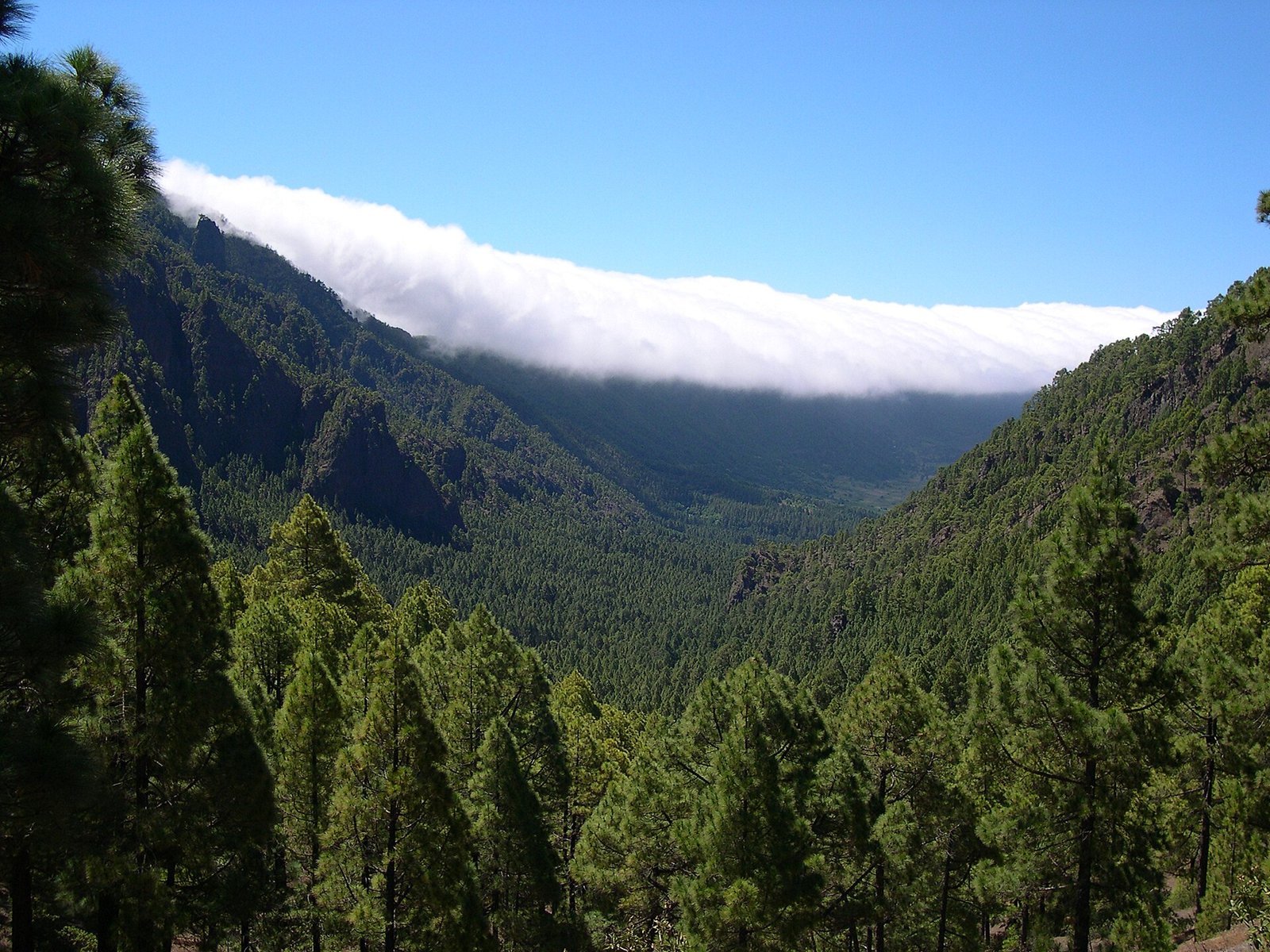
The numbers are in, and they tell a remarkable story of resilience. La Palma, the island so deeply scarred by the 2021 Cumbre Vieja volcano, is experiencing a tourism renaissance that has caught the attention of the entire archipelago. According to the latest data from the Canarian Statistics Institute (ISTAC), hotel occupancy by plazas on the island soared from 31.91% in May 2025 to 46.59% in May 2026. That is a leap of almost 15 percentage points, a figure that industry insiders are calling the most significant single jump in the Canary Islands for that period.
It is not just about more heads in beds. The same data reveals that sector revenues on La Palma rose by a substantial 37.6% in May compared to the previous year. This translates into a tangible, positive impact for hotel owners, restaurant staff, tour guides, and the many small businesses that depend on a healthy flow of visitors. The recovery feels different this time – it is broad-based, sustained, and built on a new appreciation for the island’s raw, volcanic beauty.
A recovery built on more than just sun and sand
The momentum continued to build into the early summer. In June 2026, La Palma recorded a total of 102,476 overnight stays, a powerful 40.7% increase compared to the same month in 2025. This growth rate dramatically outpaced the average tourism expansion across the Canary Islands, signaling that La Palma is not just recovering; it is actively winning back market share from its larger neighbors.
What is driving this remarkable comeback? The story begins in the sky. Air connectivity, the lifeblood of any island destination, has been steadily consolidated. In February 2026, La Palma Airport welcomed 63,096 passengers, a 5.8% rise year-on-year. Looking at the first two months of the year, the total reached 123,608 passengers, up 2.7% from the same period in 2025. Crucially, these numbers are not just about restoring old routes. They reflect a strategic strengthening of links, particularly with Gran Canaria and Tenerife South, which act as vital international hubs feeding visitors into La Palma.
The power of the domestic traveler
While international attention is returning, a huge part of the success story is much closer to home. The Spanish mainland market has emerged as a powerhouse for La Palma’s rebirth. Data from the early months of 2026 shows that accumulated tourism from mainland Spain jumped by an astonishing 31.8% compared to the prior year. This surge in peninsular visitors, drawn perhaps by direct flights and a desire to explore a unique national treasure, has provided a stable and reliable foundation for the recovery.
By February 2026, the combined number of international and mainland Spanish tourists on the island reached 32,853. This figure is particularly symbolic, as it stands 2.1% above the levels seen in 2019, before the pandemic and the volcano turned the world upside down. Crossing that pre-crisis threshold, even in a single month, is a powerful psychological milestone for a destination that has been through so much.
From tragedy to a unique travel identity
The shadow of the 2021 Tajogaite eruption is long, but the island has skillfully woven this dramatic chapter into its identity. The narrative is no longer just about loss; it is about the powerful forces of nature that shape the planet. This has created a unique pull for a certain kind of traveler. The island’s positioning around its volcanic heart, combined with its world-famous dark skies for stargazing and lush laurel forests, offers an experience that cannot be found on the beach-centric islands.
The broader accommodation indicators for the first half of 2026 confirm the positive trend. While the precise island-wide percentages for metrics like ADR (Average Daily Rate) and RevPAR (Revenue Per Available Room) are complex, the official Promotur/ISTAC summaries point to a clear improvement across the board for La Palma. Hotels are not just filling more rooms; they are doing so at better rates, which is essential for long-term profitability and reinvestment in quality.
A future written in the stars and the soil
La Palma’s resurgence is a testament to a community that refused to be defined by a natural disaster. The strategy of focusing on quality, nature, and science-based tourism appears to be paying off. The island is not trying to compete with the mass-market appeal of Gran Canaria or Tenerife. Instead, it is carving out a distinct niche for hikers, astronomers, and curious travelers who want to witness a living, breathing volcanic landscape.
The 14.68 percentage point jump in hotel occupancy is more than a statistic. It is the sound of suitcases rolling through Santa Cruz de La Palma, of restaurant terraces filling up in Los Llanos de Aridane, and of a quiet confidence returning to an island that has always been beautiful, but is now, finally, being rediscovered. The path to full recovery is a long one, but the direction of travel is unmistakably, and thrillingly, upward.
Common questions
- How much did hotel occupancy on La Palma increase?
- In May 2026, hotel occupancy by plazas rose by 14.68 percentage points to 46.59%, up from 31.91% the previous year.
- What is driving the tourism recovery on La Palma?
- Key drivers include improved air connectivity, a massive surge in visitors from mainland Spain, and a growing global interest in volcano and nature tourism.
- Are tourist numbers back to pre-volcano levels?
- Yes, a key milestone was reached in February 2026 when combined international and mainland Spanish tourists surpassed 2019 levels by 2.1%.
- How much did tourism revenue increase on the island?
- The sector's revenues on La Palma rose by a very strong 37.6% in May 2026 compared to the same month in 2025.
- Is La Palma just a winter destination?
- Not at all. The strong occupancy and overnight stay figures from May and June 2026 show the island is becoming a popular year-round destination.
Read on
- Canary tourism: new land-use rules and a July hotel recordCanary Islands · 26 August
- Southern Gran Canaria: growing unease over mass tourismGran Canaria · 22 August
- Tourism on Lanzarote moved €2.08 billion in the first half of 2026Lanzarote · 18 August
- La Palma hospital: 30 discharged patients still in bedsLa Palma · 7 November
- La Palma saxophone festival: 9 to 14 November 2026La Palma · 6 November
- All events on La Palma →
Stand: August 2026. This article is based on verified data from ISTAC's Encuesta de Alojamiento Turístico and official tourism reports.