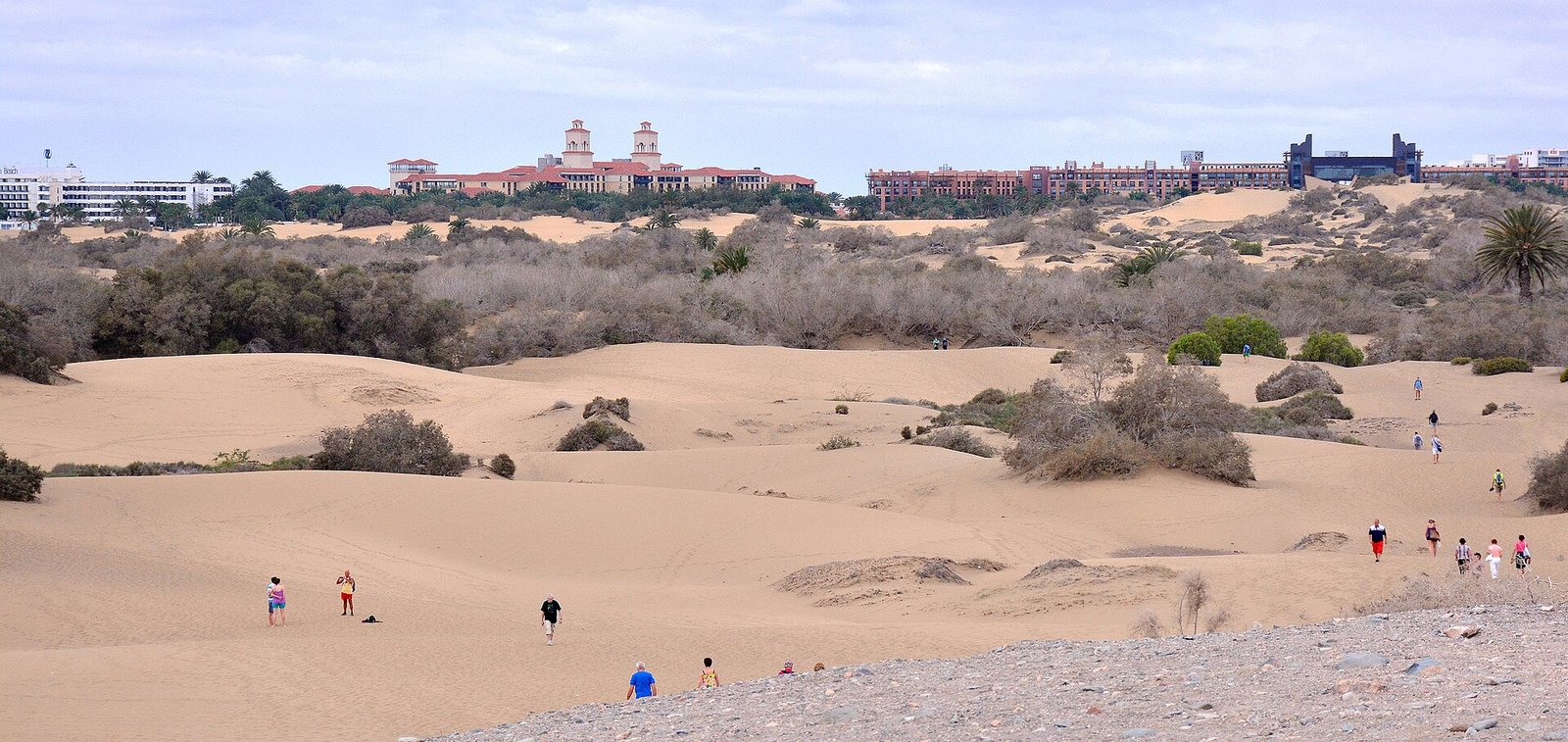
Some words taste of the place they come from. Calufa is one of them. It describes that thick, motionless summer heat where the air shimmers, shade becomes the best address on the island and even the cats take a siesta under parked cars. A local friend will raise an eyebrow, fan themselves and groan happily: '¡Qué calufa!' — roughly 'what a scorcher!'.
For newcomers, holidaymakers and digital nomads, calufa is one of those little words that make you belong straight away. It is warm-hearted, a touch self-mocking and gloriously undramatic — the exact opposite of the alarming 'heatwave' our weather apps hurl at us today. Reason enough to get to know it properly.
What calufa really means — and how to use it
Calufa is not simply 'warm'. It is calor sofocante, the muggy, oppressive glow that takes your breath away: windless, sticky, just a bit too much. There is also a masculine form, calufo — depending on the island and the speaker you will hear one or the other. Both mean the same thing.
In daily life the word lives above all as an exclamation. You cry '¡Qué calufa!' as you step from the air-conditioned supermarket into the midday sun; you mutter 'hace una calufa que no se aguanta' — it is a calufa you simply cannot bear — on the terrace. The lovely part is that the tone is never panicked, more a contented moan. And yes, locals often say it with a wink while the freshly arrived guest thinks the weather is simply perfect.
Where the word comes from
That calufa is genuine Canarian is confirmed by the Academia Canaria de la Lengua: it lists calufa and calufo as canarismos meaning calor sofocante and says it will include them in its big dictionary of Canarian words. The word is attested across several islands — on La Palma, for instance, many feel it has always been part of summer.
On the exact origin, though, caution is wise: nobody offers a firm etymology so far, and the language sources deliberately hold back. Calufa is also said to be heard in parts of Andalusia, which is typical of many old words in Canarian Spanish. In short: a word with a clear meaning but a charmingly fuzzy family tree.
Calufa versus 'ola de calor': cosy against alarming
This is where it gets culturally interesting. Traditionally the islands named their heat with their own easy-going words such as calufa or bochorno. Today the globalised 'ola de calor' — the 'heatwave' — pushes into headlines and push notifications instead. Some Canarian voices, for example in the newspaper El Día, argue that the modern term dramatises what generations happily shrugged off as calufa.
You do not have to settle the argument to enjoy the point: the old word carries a shrug, the new one an alarm. Calufa says 'today it is brutally hot, so let us take a siesta'; 'ola de calor' sounds like a state of emergency. If you love the islands, feel free to stick with the cosier word — and switch the fan on anyway.
How to handle the real Canarian heat
The good news first: in summer the Canaries are usually milder than the Spanish mainland. That is down to the alisios, the steady trade winds, and the cooling breeze off the Atlantic — they often turn the midday heat into a bearable affair, especially on the coast and in the north. There is a reason the archipelago is called the islands of eternal spring.
Otherwise, do as the locals do: spend the hottest hours, roughly between 2 and 5 pm, in the shade or on a siesta, drink plenty of water, wear light pale clothing and avoid the full midday sun. Early morning and late afternoon are the loveliest times for the beach and a stroll anyway.
Common questions
- What does calufa mean?
- A Canarian word for heavy, stifling heat — the calor sofocante that takes your breath away.
- How do you use it?
- Mainly as an exclamation: '¡Qué calufa!' — 'what a scorcher!' — usually with a contented groan.
- Is calufa only Canarian?
- Mostly yes; the Academia Canaria de la Lengua lists it as a canarismo. It is also said to appear in parts of Andalusia.
- Is it hotter in the Canaries than on the mainland?
- Usually not — the trade winds (alisios) keep the islands pleasantly mild in summer. It gets really hot mainly during a Calima.
- What is the best way through the heat?
- A siesta in the hottest hours, plenty of water, shade and light clothing — and the beach early or late.
Read on
- Canary Islands on 13 Oct: fiestas, opera and storytellingCanary Islands · 13 October
- Grandchildren’s Law: vote suspended for 163,020, report saysCanary Islands · 13 October
- Canary Islands: 85 heat-related deaths estimated this summerCanary Islands · 19 August
- Canary Islands: fire-risk alert, heat and Saharan dustCanary Islands · 5 September
- Canaries 12 Oct: Pilar fiestas, Fetish Pride, DJ brunchCanary Islands · 12 October
- All events on the Canary Islands →
As of July 2026. Details on the word's meaning and origin follow the Academia Canaria de la Lengua and other language sources; the weather notes are general in nature.