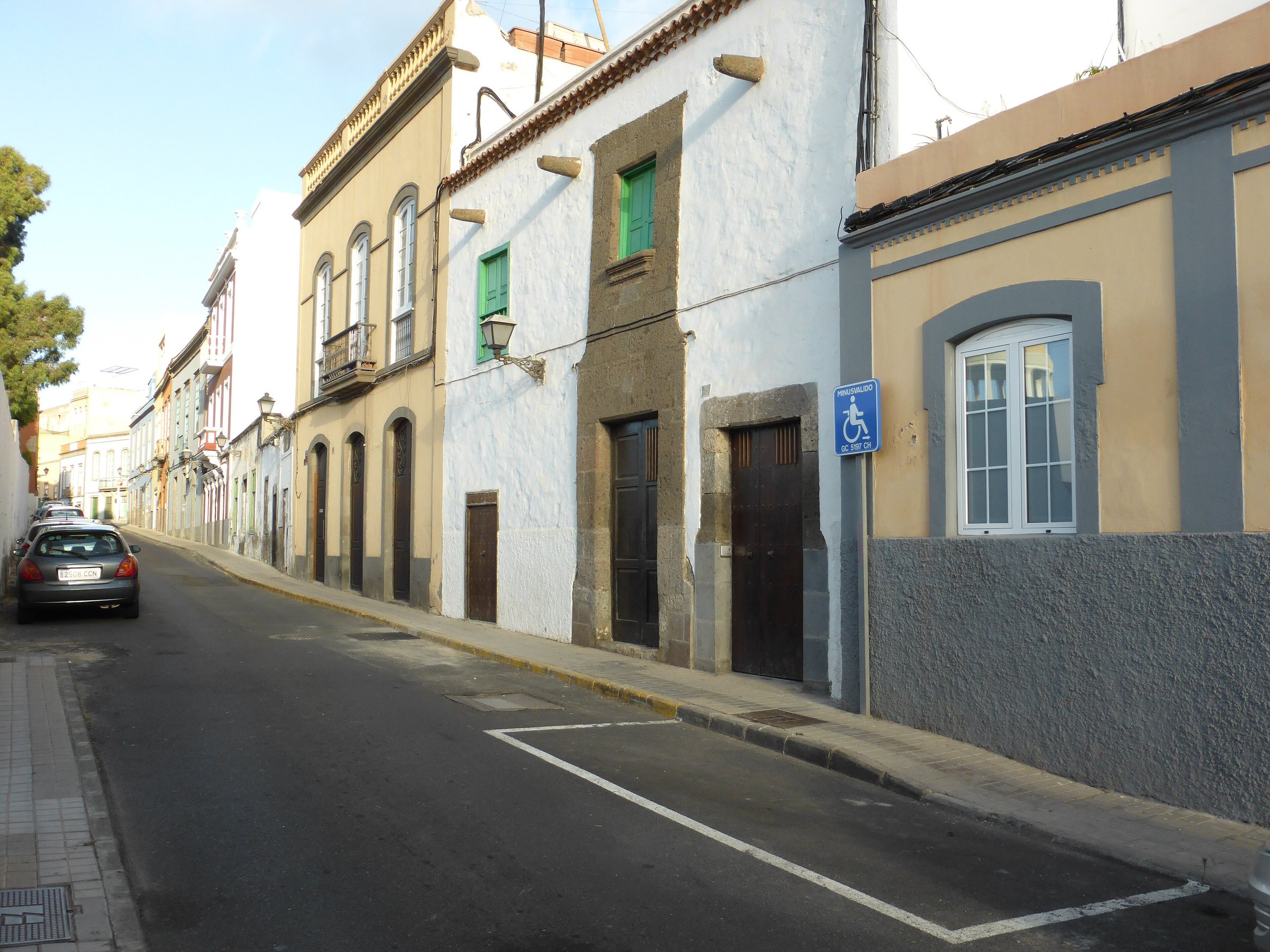
What has the council decided?
The council of Puerto de la Cruz has not yet decided on any designation. David Hernández, councillor for urban planning, said, according to Tenerife Weekly, that the conditions for classification as a stressed housing market were promising, but had to be analysed thoroughly first.
The municipality has commissioned a study from architect Rodrigo Vargas for this purpose. It examines empty homes, occupancy rates and the number of older people living alone.
Only after that will the municipality decide whether to apply to the Government of the Canary Islands. An official declaration as a stressed zone is therefore possible at the earliest after the study is completed.
What does the status mean for tenants?
For tenants, nothing changes as a result of the review at present. New rent caps, application deadlines or extended tenancy rights only arise once the responsible authority officially declares the zone.
RDL 29/2026 concerns the social function of housing and affordable supply. The rental rules are probably set out in RDL 28/2026 (BOE-A-2026-20822, rental stability). This could not be checked and must be verified before the attribution is adopted.
For certain tenants, an extraordinary extension of the tenancy by up to three years per year may also be possible. This rule likewise requires an officially declared zone.
What does the status mean for landlords?
Until an official declaration is made, landlords do not have to observe any additional restrictions solely because of the council debate. The review in Puerto de la Cruz has no legal effect yet.
In a declared zone, however, rent caps for new contracts could apply. The starting rent would then generally not be allowed to exceed the last rent for the same home, adjusted according to the previous updating clause.
The study also examines the ownership structure in Puerto de la Cruz. The municipality wants to understand how many homes belong to foreign owners who spend only part of the year on the island and leave the homes empty the rest of the time.
What does the status mean for holiday lets?
According to Tenerife Weekly, the municipality is already working on rules for holiday lets. It has recorded registered properties, while many more operate without registration.
For the new regulation, the municipality is holding public consultations and meeting local groups and residents. The highest concentration of holiday lets is in the city centre and the coastal area of Punta Brava.
The municipality is also examining whether it can set a lower ceiling than the legally provided 10 percent for tourist properties.
Who decides on the designation?
The designation is not made by the council alone. Under the Spanish housing law Ley 12/2023, the responsible housing authority of the respective autonomous community is in charge.
In the Canary Islands, Decreto-ley 1/2024 of 19 February provides for its own procedure. The Canarian Housing Institute ICAVI is responsible for, among other things, the public hearing.
The declaration generally applies for three years and can be extended annually. It also requires a specific action plan intended to correct the identified imbalances.
What is still open?
The exact application, the responsible deciding authority, a possible action plan, the affected area boundaries and the duration remain open. No concrete rent rules or restrictions for holiday lets have been published either.
A decision would subsequently have to be published in an official legal act. Only then would the date of entry into force, conditions and possible applications become binding.
For visitors, no closure, booking restriction or new charge has been confirmed. The review has so far had no impact on existing bookings or stays.