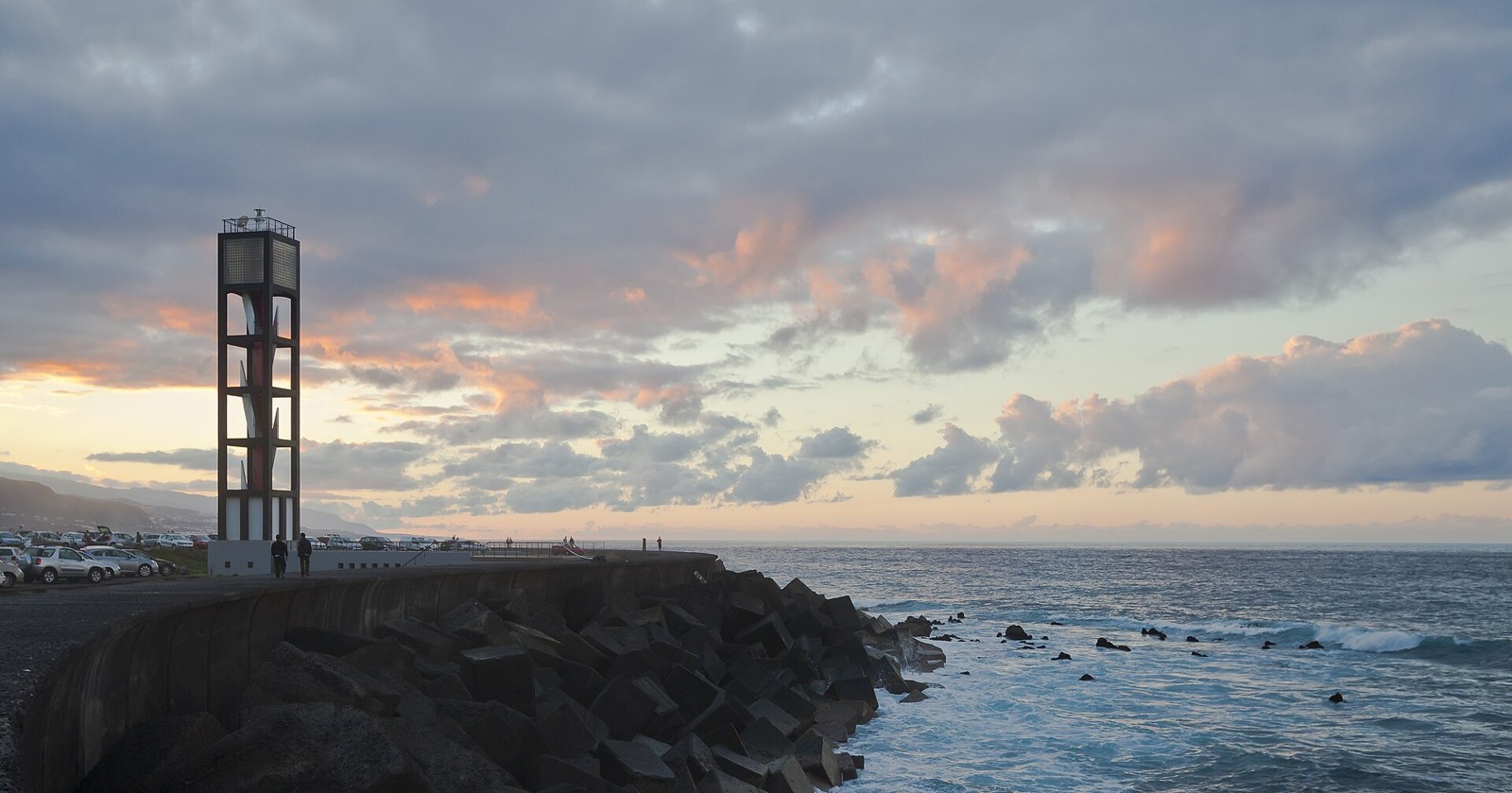
What a modernisation plan can do that ordinary planning cannot
Article 7.1 of Canary law 2/2013 on tourism renewal, quoted verbatim in the decision, defines the plan de modernización as an urban-planning instrument that "complements and, where applicable, replaces" the planning rules in force and sets out complete zoning for its area of intervention. It cannot designate new building land unless the municipality has agreed beforehand. These plans were created by law 6/2009. Article 8 is the decisive part: the procedure is "abridged and single-phase", and the plan is approved by the regional government rather than by the town — after which it overrides the municipal land-use plan within its area.
The timeline, as far as it is documented
On 11 December 2017 the manager of the town's urban regeneration consortium records that a preliminary document for a second plan would be useful. A year later, on 28 December 2018, the Cabildo plenary adopts the initiative; on 19 March 2019 the mayor's office gives its consent; on 2 April 2020 the regional government accepts it; on 16 November 2020 the agreement is signed. The environmental file shows what followed: the draft was filed on 1 October 2020, corrections were demanded on 13 November 2020 and 11 June 2021, and the corrected papers arrived on 13 December 2021. On 28 March 2022 the responsible deputy minister opened the strategic environmental assessment and put the draft out for 45 working days of consultation. After that, in the sources we could open, there is no further step until 27 July 2026.
16 November 2024 — and what the file does not say
Clause nine of the 2020 agreement set a four-year term; it could be extended only by an addendum to be signed "by the parties before the end of the initial term". The decision of 27 July 2026 states plainly that this did not happen and that the agreement therefore lost its validity, and that a new contract is needed to continue the work. Who should have prepared the addendum, and why it never came, is not stated there — and we add nothing. The new agreement repeats the same construction: four years again, extendable by four more, again only through an addendum signed before the deadline.
What the first plan achieved
The first plan was approved by Decree 107/2015; its stated purpose, in article 2.1, was the "integral requalification" of the resort. The draft of the second plan counts 31 planning agreements signed under it: 17 for the renewal of existing accommodation businesses, 2 for new ones, 6 for public facilities and 6 for urban reorganisation. The consortium's report after the plan's second year speaks of "continuity in the renewal works on accommodation establishments". What became visible on the ground was mostly private money: the daily Diario de Avisos reported on 10 November 2025 investment of close to 100 million euros in about a dozen properties since 2017, and said the town had gone from one five-star hotel to three. The most expensive single project is public: 35 million euros for the Cabildo-owned Gran Hotel Taoro, shut for 20 years beforehand.
Why it matters now
Puerto de la Cruz is regarded as the oldest tourist town in the Canaries, and its stock of beds is correspondingly old. Using figures from the island tourism department, the October 2021 draft counts 83 establishments with 21,253 bed places in operation — 55 hotels with 16,401 beds and 28 non-hotel establishments with 4,852. About 72 per cent of the establishments and 74.6 per cent of the beds have been on the market for more than 30 years; the historic peak was 30,087 beds in 1972. Against that, the INE population register recorded only 31,137 residents on 1 January 2025. The draft also quotes the 2012 tourism plan's caveat that age does not automatically mean obsolescence. The other side is on the record: Ashotel and the Centro de Iniciativas Turísticas told Diario de Avisos that the private renewal had been an "immeasurable effort" unmatched by public investment; mayor Leopoldo Afonso told the same paper in November 2025 that he was pressing the regional government to "speed up the administrative procedures", and that nobody had given him a date. By then the legal basis had already been expired for a year. The regional government's statement of 27 July 2026 does not mention the lapse.