What exactly is planned?
The Cabildo de Tenerife wants to introduce a demand-responsive shared transport service for residents of the Parque Rural de Anaga from 2027. Eulalia García, island councillor for mobility, announced this on Friday, 2 October 2026, in the plenary session of the Cabildo.
The service is intended to connect the villages and hamlets in the Anaga mountains with important transport corridors and facilities outside the settlements. Examples given include medical appointments and visits to public offices.
The service complements the regular TITSA buses and is intended to reduce private car journeys. Once a booking has been made, a taxi is to combine several requests into one shared route.
How does booking work?
Residents are to be able to reserve journeys in advance. According to the Cabildo, the minimum booking notice has not yet been set.
Reservations are to be possible via a digital platform. A telephone number is also to be set up so that people without sufficient digital skills can use the service as well.
The service is to run continuously every day from 06:00 to 21:00. The Cabildo did not give a start date or a binding launch date by Friday; only the introduction next year, in 2027, has been announced.
How much does the service cost?
The service is to be free of charge. It is to work with the same card system as the public buses, as Eulalia García explained.
The Cabildo did not give a specific price in euros or any special card rules. The concrete operational organisation, the number of vehicles and the stops are also still open.
It is also unclear whether only officially registered residents or also other people living permanently or temporarily in Anaga will be admitted. The announcement does not define the term "residente" in more detail.
What experience already exists?
Eulalia García cites a service launched at the end of 2024 in Fasnia, Arico and Güímar as the model. According to the Cabildo, this has reached more than 13,000 residents in scattered and hard-to-reach settlements.
Demand-responsive transport already exists in five areas: Tacoronte–El Sauzal, Santa Úrsula–La Victoria–La Matanza, Los Silos–El Tanque–Garachico–Icod de los Vinos, La Guancha–San Juan de la Rambla and Güímar–Arafo.
No comparison figure for the previous year or previous month was given. The island councillor spoke of good ratings from users.
Why is Anaga a special case?
The Parque Rural de Anaga is part of the Reserva de la Biosfera del Macizo de Anaga. Mobility is included in the II Plan de Acción of the biosphere reserve 2022–2026.
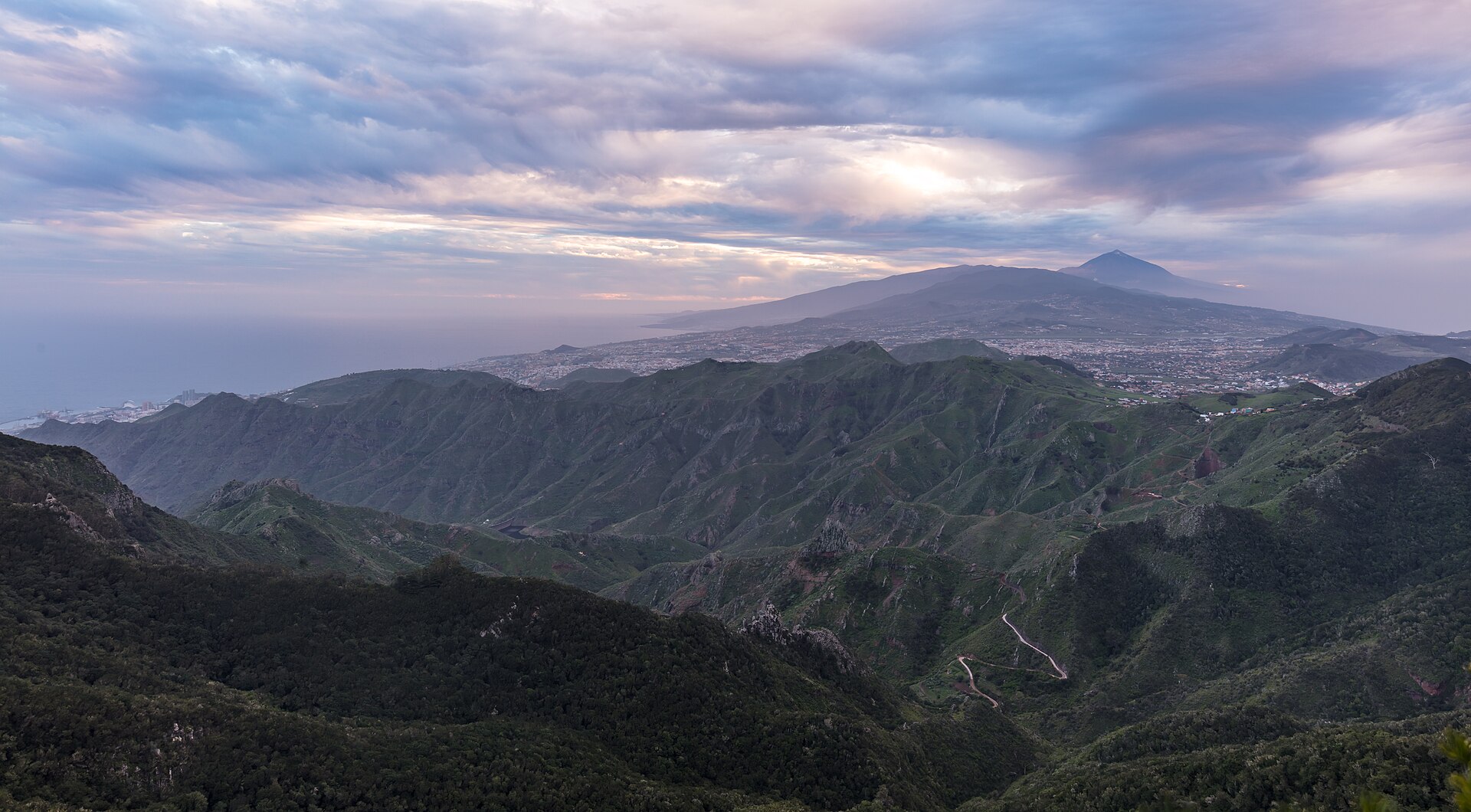
According to the Cabildo, the roads are narrow and winding. Many settlements are scattered and difficult to reach with regular bus services.
Access is mainly from La Laguna via Las Mercedes and the TF-12, and from Santa Cruz via San Andrés. There are no petrol stations in Anaga; the last ones are on the road from Las Mercedes and on the approach from San Andrés.
What remains open?
According to the Cabildo, the legal implementation, the application or registration procedure and the required card remain open. The booking notice, the exact coverage and the binding start date have also not been published.
The Cabildo had already announced a mobility plan for Anaga in 2024. A sustainable mobility strategy was put out to tender with a contract value of 170,665.39 euros and a term of 12 months.
The only time commitment currently mentioned is the planned introduction in 2027. According to the published description, visitors are not the target group of the new service.