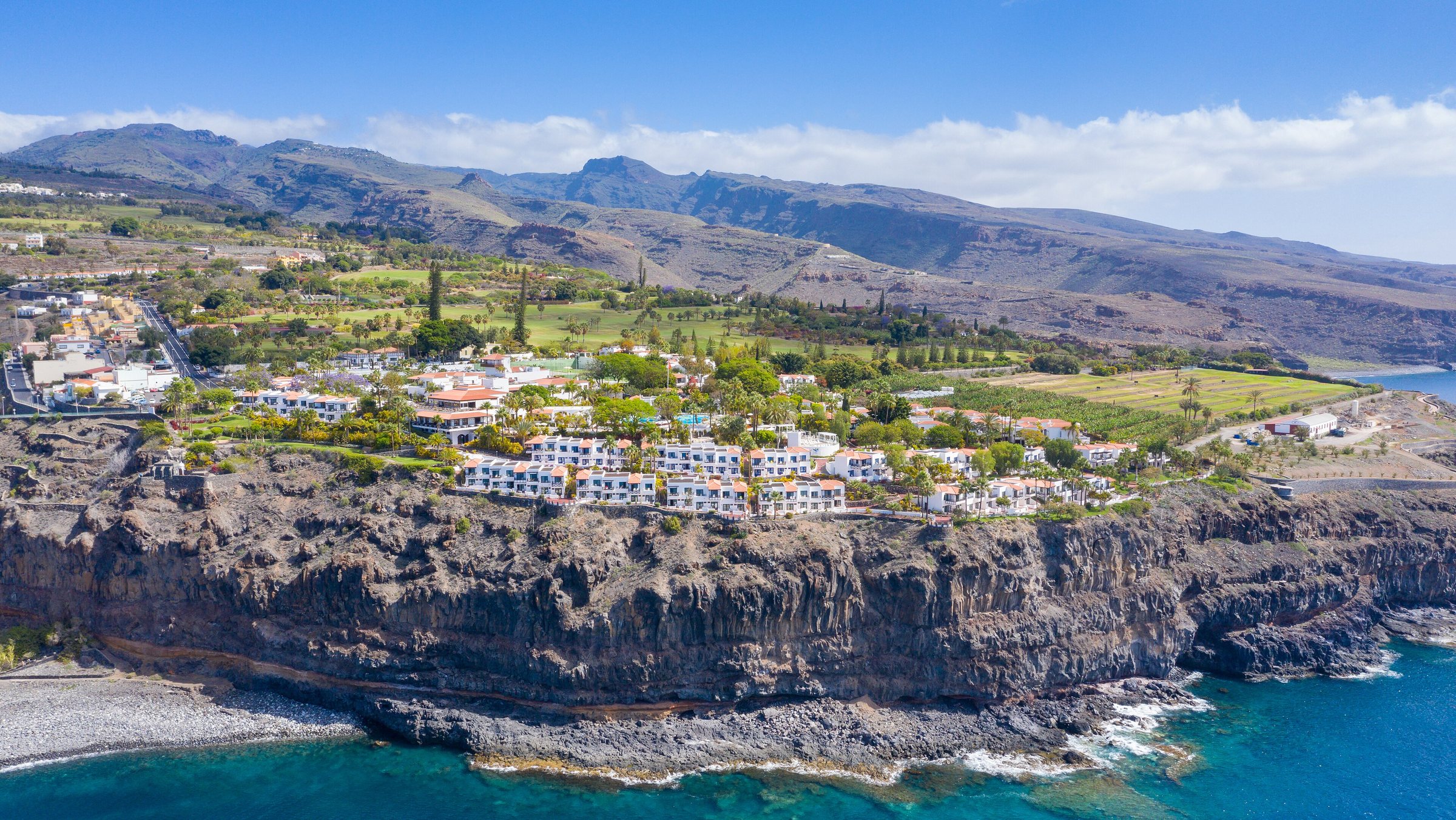
What happened at Playa Jardín?
The Ayuntamiento de Puerto de la Cruz ordered a temporary bathing ban for the Playa Grande Centro section on 7 October 2026. The regional health authority, the Dirección General de Salud Pública, had flagged unusual readings in its routine checks.
A sample from 5 October showed 220 CFU of intestinal enterococci per 100 millilitres of water. That was enough to trigger the ban, as the municipal order recorded.
Two days later, on 7 October, the authority took a fresh sample. It came back with less than 1 CFU per 100 millilitres, comfortably below the reference value.
The health authority then lifted the restriction. From 9 October 2026, swimming in the central section was allowed again.
Why has the beach been closed so often?
This was the fourth microbiological contamination incident in 2026 at this stretch of beach. There had already been closures on 12 August and 3 September 2026.
The September closure was linked to raised E. coli levels, according to media reports. The section closed again on 30 September and reopened the next day.
Playa Jardín also spent almost a year shut, from July 2024 to June 2025. It reopened on 17 June 2025.
The Dirección General de Salud Pública has asked the Ayuntamiento to investigate why the contamination keeps coming back. Media reports point to possible problems with wastewater treatment, the sewer system and the underwater outfall.
What does this mean for bathers?
From the reopening, everyone could swim in the affected central section again. No entry prices, fees, special rules, deadlines or application procedures were published.
The reopening did not automatically cover every other bay or beach on Tenerife. During the closure, the ban applied only to the designated Playa Grande Centro section.
Visitors should check the current status before swimming. The health authority is requesting further samples, and the situation may be reassessed after new analyses.
What is the water quality like on Tenerife?
Across Tenerife, 1,782 microbiological tests had been carried out by early October. According to the health authority, 99 percent showed no contamination by intestinal enterococci or Escherichia coli.
The figures come from the Dirección General de Salud Pública of the Gobierno de Canarias. It monitors bathing water quality and decides whether swimming is allowed.
The Ayuntamiento de Puerto de la Cruz manages the beach and has to implement closures, signage and reopenings. The Cabildo intervenes through the Consejo Insular de Aguas de Tenerife, the operator of the underwater outfall in the Valle de La Orotava.
What remains open?
Mayor Leopoldo Afonso requested joint water samples from the town and the regional health authority. Municipal and regional analyses had diverged during several closures.
A joint sampling was announced only as likely. There is no confirmed result or binding date.
No date for a longer-term decision was given either.