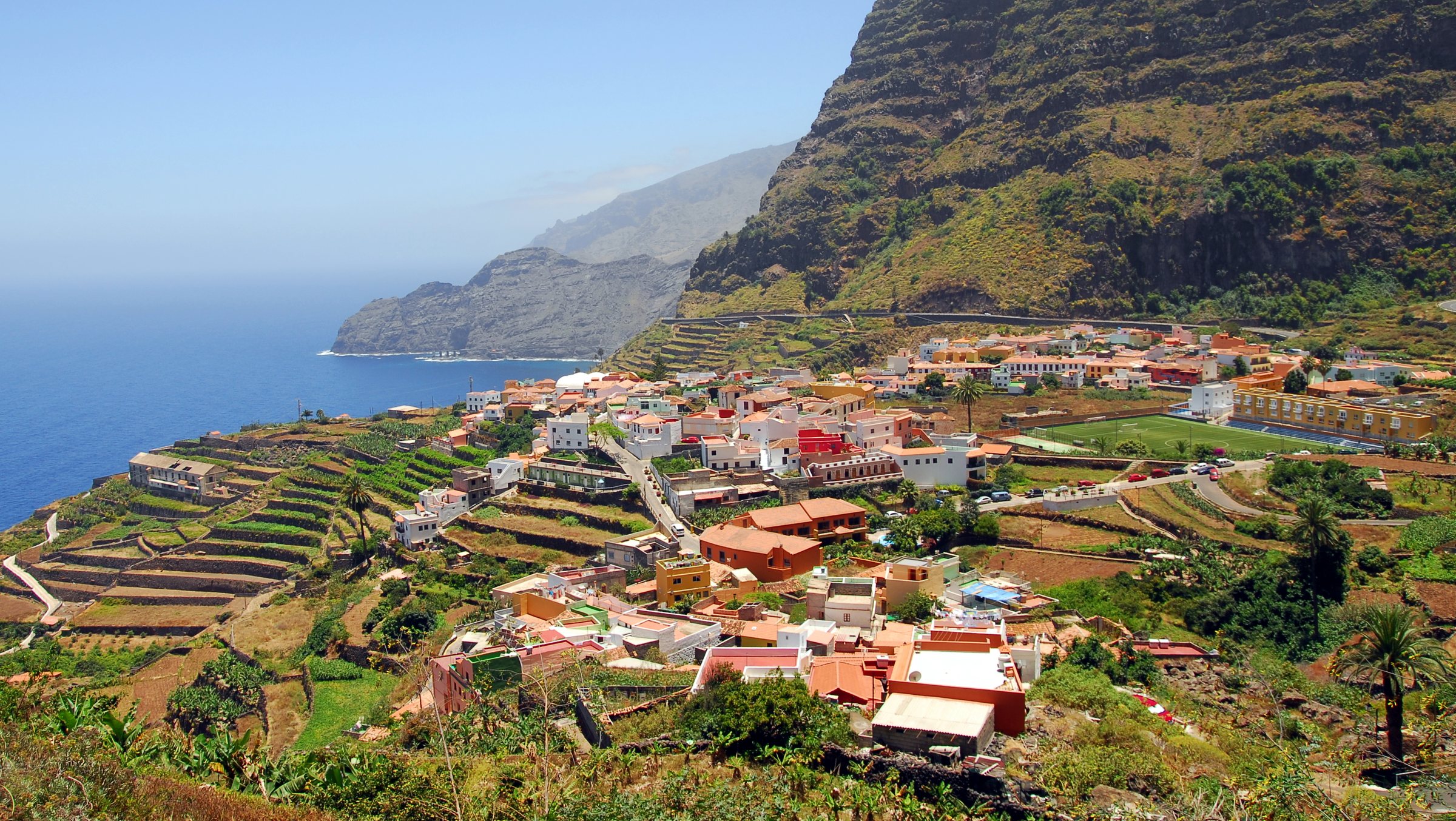
What can visitors see on 11, 12 and 13 November?
Wednesday 11 November is an open day (jornada de puertas abiertas) for the project at Puerto de Vueltas. The organisers have not yet given a start time.
Thursday 12 November is for school pupils and students, to whom the team will explain the technology. The information so far does not say whether visitors without a school group may come too.
The main show follows on Friday 13 November, from 12:00 to 16:00. The project partners introduce themselves at 12:00, and from 13:00 the team shows the AIRSHIP-1 prototype and manoeuvres on the water.
The organisers will stream selected parts of the demonstration live on the official AIRSHIP channels. They have not said which platform they will use.
What is still unclear for visitors?
As of Monday 9 November, nothing has been published on admission, tickets or registration. No organiser has confirmed whether entry is free.
There is also no published word on free buses, road closures or parking at the harbour. The organisers gave no address more precise than “Puerto de Vueltas”.
Nobody has published a rain date. A postponement is therefore possible.
Anyone planning a special trip should first ask the Cabildo de La Gomera, the island government. No cancellation or change is known so far.
Does anything change for ferries and flights?
There is as yet no commercial flying-boat service between the Canary Islands. AIRSHIP-1 is an experimental demonstrator, and it needs further development phases before any scheduled service.
Ferry passengers will notice nothing of the tests, because the prototype is unmanned and built for cargo. Booking a flight or a ferry stays as it is.
At first the aim is to carry small and medium loads of goods. According to the reports, though, the project backers do not rule out that larger models could later carry people between the islands.
What exactly is AIRSHIP-1?
AIRSHIP-1 is an electric, autonomous ground-effect vehicle with a 5.5-metre wingspan. It looks like a small aircraft but moves close to the water like a boat.
It stays just above the sea. There the wings lift more efficiently and drag falls, a principle known as ground effect (ekranoplan).
In September 2026 the prototype lifted off the water in Tampere, Finland. It flew briefly.
The test is a first for the Canary Islands. According to Atlántico Hoy, AIRSHIP-1 is the team's fifth prototype, as the project presents it.
Who pays for the project and who is involved?
According to CORDIS, the EU research database, the project costs €5,118,762.50, of which the EU pays €5,116,012.50. The money comes from the Horizon Europe programme (grant agreement 101096487).
The coordinator is the Universidad Politécnica de Madrid, and the Canarian partner is La Palma Research Centre SL. Also involved are INESC TEC and Trisolaris from Portugal, Tallinn University of Technology, the University of Tampere and the Université du Luxembourg.
The project runs from 1 January 2023 to 31 December 2026. The demonstration therefore falls in its final weeks.
Would a flying boat between the islands pay its way?
The Universidad de Las Palmas de Gran Canaria (ULPGC) has simulated operations on routes that ferries serve today. The university calls the results preliminary.
According to the ULPGC, what matters most is the number of daily trips, the operating days per year and the price. The study gives a benchmark of around four trips a day on 250 days a year.
The cases studied include fresh fish from El Hierro, Lanzarote and Fuerteventura to Gran Canaria and Tenerife. There is no price or timetable for a service, and the study mentions passengers only as a later possibility.
According to CORDIS, the project ends on 31 December 2026. New development phases are needed before cargo or passengers fly regularly.