The Hotel Riu Palace Tres Islas has been a landmark on Fuerteventura’s northern coast for decades, its white facade a familiar sight against the golden dunes of Corralejo. Now, the hotel is set for a major facelift. The Órgano Ambiental de Fuerteventura, the island’s environmental watchdog, has given the green light to a renovation project submitted by the RIU hotel chain. After a simplified environmental impact assessment, the authority concluded that the planned works would have no significant effects on the surrounding natural environment.
The decision is a significant step for a project that sits in one of the Canary Islands’ most sensitive and beautiful locations. The hotel is located within the boundaries of the Dunas de Corralejo Natural Park, a protected area created in 1982. The building itself, however, is older than the park, a detail that has been central to the long-running debate about the presence of large hotels in this fragile ecosystem. The approval is strictly tied to the condition that all works remain within the existing structure and do not encroach on the surrounding dunes or marine environment.
What the renovation includes
The plans filed with the Cabildo de Fuerteventura’s environmental department outline a comprehensive modernisation rather than an expansion. The project will add six new hotel rooms, a modest increase that will be absorbed within the current building’s volume. Guests can look forward to a new solarium and sun terrace, along with significantly upgraded swimming pools. The renovation also targets the hotel’s infrastructure, with plans for a new fitness area, improved accessibility throughout the building, and the replacement of old lifts.
Behind the scenes, the work is just as extensive. The reception area, kitchens, and spa facilities are all slated for a complete overhaul. Crucially, the project incorporates modern energy-saving and water-saving systems, bringing the ageing building in line with contemporary sustainability standards. RIU has justified the need for the project by pointing to structural deterioration, ageing infrastructure, and the relentless wear and tear caused by the salt air and harsh coastal environment.
A controversial location with a long history
The approval does not erase the controversy that has surrounded the RIU hotels in the Corralejo dunes for years. Environmental groups have consistently argued that large-scale hotel buildings have no place inside a protected natural park. In other cases, this pressure has led to dramatic outcomes. The nearby Riu Oliva Beach Hotel has faced a long legal battle, with the Constitutional Court even approving its demolition at one point, following a campaign by environmentalists demanding the restoration of the dune landscape.
The situation of the Tres Islas is legally distinct. Because the hotel was built before the area was declared a natural park, it exists in a kind of legal limbo, a pre-existing structure with acquired rights. The current renovation project navigates this delicate balance, promising to modernise a dated facility while respecting the physical limits of its original footprint. The environmental authority’s decision signals that, for now, this path of contained renovation is considered acceptable, even as the wider debate over the future of the dunes continues.
What this means for your next Fuerteventura holiday
For visitors, the renovation of the Riu Palace Tres Islas is good news. The hotel occupies a truly unique position, offering direct access to the Corralejo dunes and views across to the island of Lobos. A modernised facility with upgraded pools, a new spa, and better accessibility will significantly enhance the guest experience. The work is designed to refresh the property without the disruption of a major expansion, meaning the essential character of a hotel deeply connected to its landscape should remain intact.
While construction timelines have not been detailed, the approval marks the start of a process that will eventually deliver a more comfortable and sustainable stay in one of Fuerteventura’s most privileged locations. The promise of energy and water-saving systems also aligns with a growing demand among travellers for accommodation that respects the fragile environment they have come to enjoy. The challenge for RIU will be to carry out this transformation while preserving the sense of place that makes the Tres Islas so special.
The bigger picture for Corralejo’s dunes
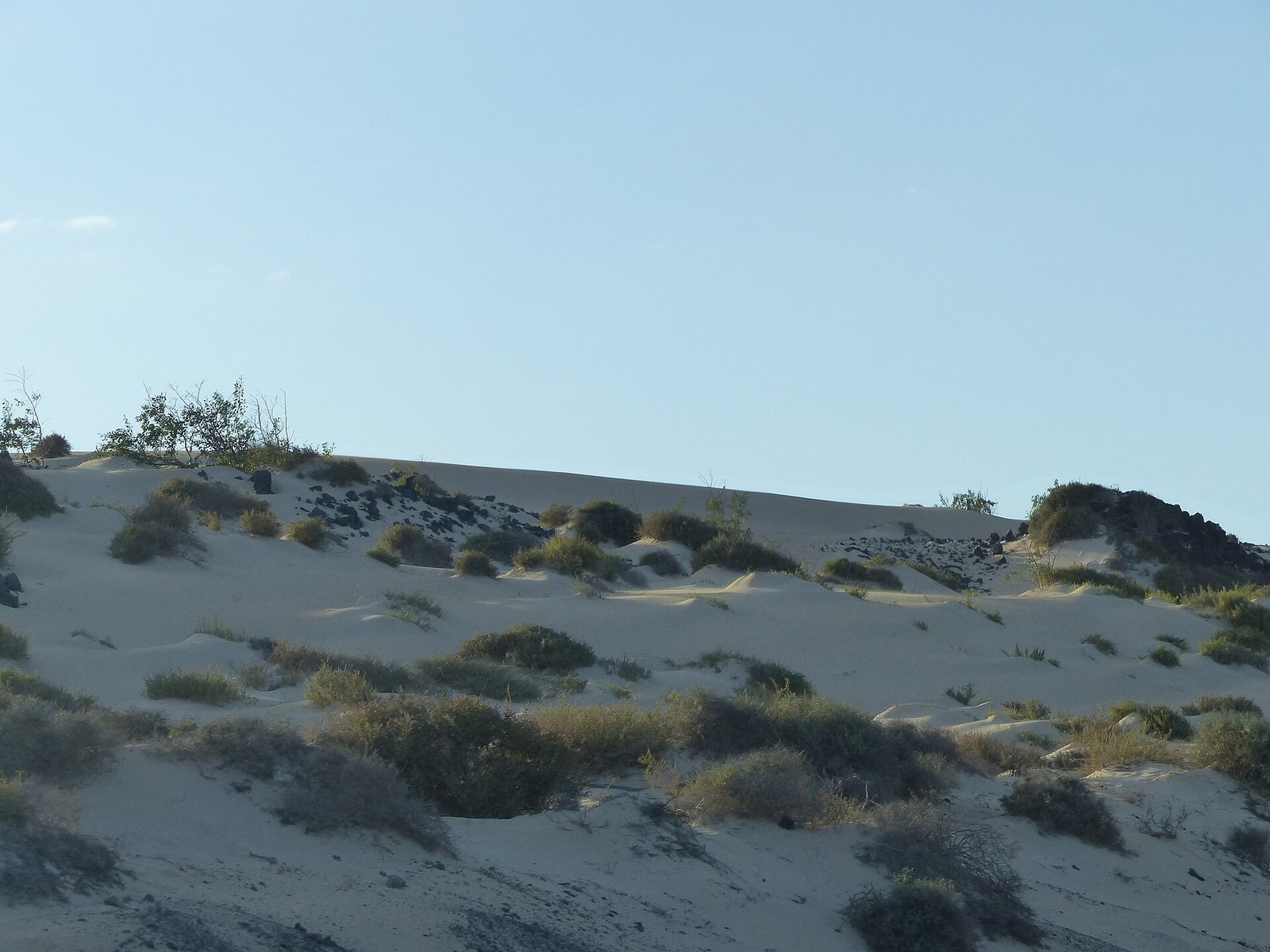
The renovation of the Tres Islas is just one chapter in the ongoing story of tourism and conservation in the Dunas de Corralejo. The natural park is a jewel of Fuerteventura, a vast field of shifting sands that creates a miniature desert by the sea. Balancing the economic draw of tourism with the absolute necessity of protecting this landscape is a constant tightrope walk for local authorities. The decision to allow a modernisation, while simultaneously facing legal orders to demolish another hotel in the same dunes, highlights the complex, case-by-case nature of this struggle.
For now, the path forward for the Tres Islas is clear. The hotel will be renovated, not removed. The project’s success will likely be measured not just in guest satisfaction, but in its ability to prove that a large hotel can operate sensitively on the edge of a protected wilderness. It’s a test case that many on the island, and beyond, will be watching closely.
Common questions
- Which hotel in the Corralejo dunes is being renovated?
- The project concerns the Hotel Riu Palace Tres Islas, located on the edge of the Dunas de Corralejo Natural Park in La Oliva.
- Will the hotel expand into the protected dune area?
- No. The environmental approval is conditional on all works being limited to the existing structure, with no expansion into the surrounding natural areas.
- What new facilities will the renovated hotel have?
- Plans include six new rooms, a new solarium, upgraded swimming pools, a fitness area, a renovated spa, and improved accessibility and energy-saving systems.
- Why was the renovation approved despite the hotel being in a natural park?
- The hotel building predates the creation of the natural park in 1982. The environmental authority found the project would have no significant environmental effects as it stays within the original footprint.
- Is this the same RIU hotel that was ordered to be demolished?
- No. The demolition order concerned the nearby Riu Oliva Beach Hotel. The Tres Islas project is a separate case with a different legal standing.
Read on
- Fuerteventura sights: Corralejo dunes, Lobos, CofeteFuerteventura · 2 November
- Corralejo things to do: 2,668.7 ha dunes, Lobos permitFuerteventura · 2 November
- Corralejo tourist tax: 0.56 euros a night, not yet in forceFuerteventura · 1 November
- Fuerteventura weather warning 8 November: heavy rainFuerteventura · 7 November
- Corralejo machete attack: man, 25, arrested on 29 OctoberFuerteventura · 7 November
- Corralejo Guide: food, nightlife, tips and events
- All events on Fuerteventura →
Stand: August 2026. This article is based on official reports from the Órgano Ambiental de Fuerteventura and project documents filed with the Cabildo. Details of the renovation are as presented in the environmental assessment.